English
 Views: 0 Author: Site Editor Publish Time: 2025-12-16 Origin: Site


Have you ever wondered about the engineering behind the cylinder holding your aluminum foil or shipping your favorite poster? While they might seem simple, cardboard tubes are the result of a precise manufacturing process designed for strength and versatility.
From heavy-duty construction forms to delicate cosmetic packaging, these cylinders are the unsung heroes of the packaging world. Understanding how they are made sheds light on why they are such a reliable, eco-friendly choice for businesses globally.
In this guide, we will break down the manufacturing process of cardboard tubes, explore the materials used, and answer common questions about their sustainability.
Before diving into the "how," it is essential to understand the "what." The primary ingredient in any cardboard tube is right there in the name: paper. However, it isn't just any paper.
Manufacturers typically use kraft paper or paperboard. "Kraft" comes from the German word for "strength," and for good reason. This wood pulp material is durable and tear-resistant.
For high-quality tubes, manufacturers often use:
Recycled Paperboard: The core layers are frequently made from 100% recycled fibers, making the product sustainable.
Virgin Kraft Paper: Used for the outer or inner liners where extra strength or a smooth finish is required.
Adhesives: Industrial-grade glues are crucial for bonding the layers together to create a solid structure.
The manufacturing process involves converting large rolls of paper into rigid, durable cylinders. Here is a step-by-step look at how a standard spiral-wound tube is created.
The process begins with giant rolls of kraft paper or paperboard. These large rolls are fed into a machine called a slitter, which cuts the wide paper into narrow ribbons or "plies." The width of these ribbons determines the specific characteristics of the final tube.
Once the ribbons are cut, they pass through a cascading glue system. This coats the paper strips with a specialized adhesive. The amount of glue must be precise—too little, and the tube will delaminate (fall apart); too much, and the tube will be soft or warped.
This is the heart of the operation. The glued ribbons are fed toward a mandrel, which is a stationary steel rod that determines the inner diameter of the tube.
The paper ribbons are wound spirally around the mandrel. This spiral technique is critical because it ensures that the seams of the different layers do not align, which significantly increases the structural integrity of the tube. The number of layers (or plies) wrapped around the mandrel determines the wall thickness and crush strength of the final product.
As the newly formed tube spins off the end of the mandrel, it moves toward a cutting assembly. A moving saw or knife travels at the same speed as the tube and slices it to the desired length without stopping the production line. This ensures efficiency and uniformity.
Freshly made tubes contain moisture from the adhesive. To reach maximum strength, they often need time to cure. Depending on the manufacturer's process, the tubes may be air-dried or passed through a heating oven to evaporate excess moisture and set the glue permanently.
Not all tubes are created equal. The manufacturing process can be tweaked to create products for vastly different industries.
Tube Type | Primary Use | Key Feature |
|---|---|---|
Shipping/Mailing Tubes | Posters, documents, blueprints | Durable walls to prevent crushing during transit. |
Paper Cores | Tape, plastic wrap, textiles | High crush strength to withstand winding tension. |
Food-Grade Tubes | Tea, spices, snacks | Lined with food-safe barriers (aluminum or wax). |
Construction Tubes | Concrete column forming | extremely thick walls; water-resistant treatment. |
Cosmetic Tubes | Lip balm, deodorants | Small diameter; often features push-up mechanisms. |
Sustainability is a major concern for modern businesses and consumers. Fortunately, cardboard tubes are among the most environmentally responsible packaging options available.
Recyclability: Most cardboard tubes are made from paper pulp and are 100% recyclable. They can be tossed into standard recycling bins.
Biodegradability: Unlike plastic, paper breaks down naturally over time, reducing long-term landfill impact.
Renewable Resources: Many manufacturers, including Hallpack, utilize FSC-certified materials, ensuring the wood pulp comes from responsibly managed forests.
By choosing paper tubes over plastic containers, companies significantly lower their carbon footprint and appeal to eco-conscious customers.
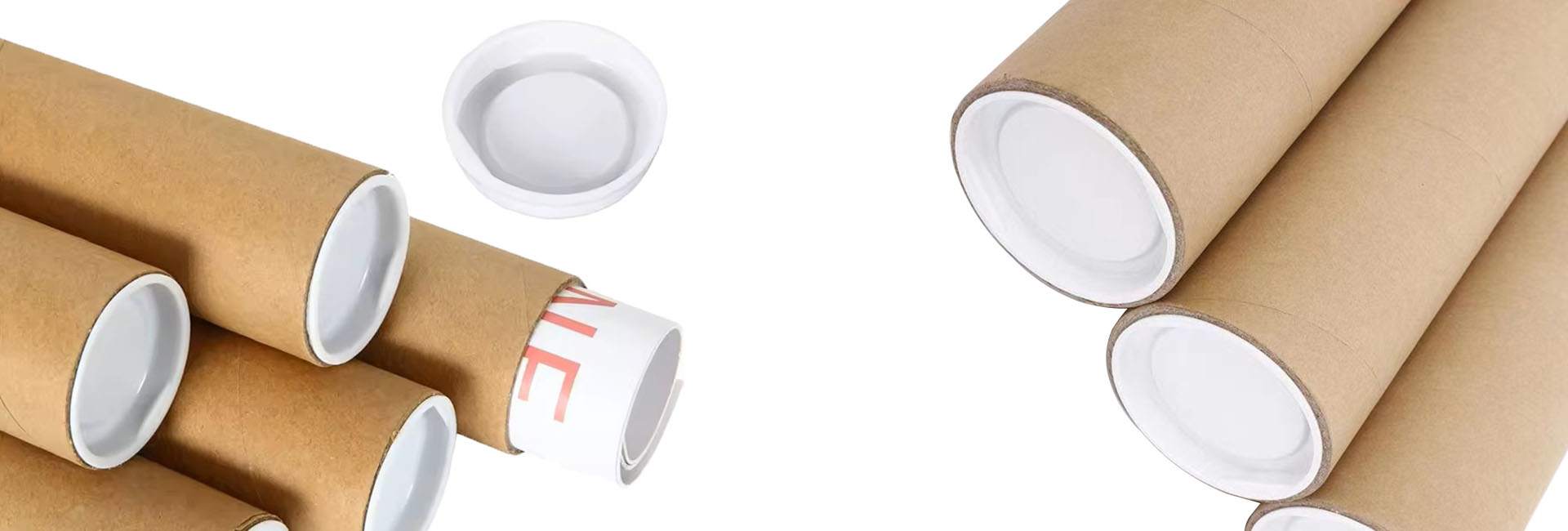
If your business needs cardboard tubes, selecting the right partner is critical. You need a manufacturer that balances quality, speed, and customization.
When evaluating suppliers, look for:
Customization Capabilities: Can they adjust diameter, length, and wall thickness to your exact specs?
Material Quality: Do they use high-grade kraft paper and offer eco-friendly options?
Experience: Established companies often have better quality control. For instance, Hallpack draws upon over two decades of industry expertise to deliver precision-crafted packaging.
1
The journey from a roll of paper to a sturdy cardboard tube is a feat of industrial efficiency. Through spiral winding and precision engineering, simple paper ribbons become essential tools for industries ranging from construction to cosmetics.
Whether you are looking for heavy-duty shipping solutions or bespoke retail packaging, understanding how these tubes are made ensures you get the best product for your needs.
If you are ready to explore custom packaging solutions that are durable and eco-friendly, contact the team at Hallpack today to discuss your project.