English
 Views: 0 Author: Site Editor Publish Time: 2025-12-30 Origin: Site


We have all been there. You order sushi for delivery or pick it up for a picnic, only to open the bag and find a disaster. The soy sauce packet has exploded, the rolls have tumbled over, and the plastic tray has cracked. The elegant dining experience you craved is now a messy, soy-soaked puzzle.
This common frustration is driving a major shift in food packaging. Enter push pop sushi. This innovative concept takes the sophisticated, ritualistic experience of high-end dining and makes it portable. But for business owners and consumers alike, one big question remains: given that sushi involves rice, fresh fish, and liquids like soy sauce, how do you seal and transport these vertical cakes without them leaking everywhere?
The answer lies in advanced paper tube engineering. By utilizing specialized sushi push pop containers, businesses can eliminate the "soggy bottom" effect and ensure that the sauce stays exactly where it is supposed to be until the moment of consumption.
Before understanding the sealing mechanism, it is important to understand the device itself. A sushi push pop container is a cylindrical paper tube designed to hold stacked sushi ingredients—often called "sushi cakes"—in a vertical column.
Unlike traditional flat trays where gravity and motion can cause rolls to slide apart, the tube confines the food in a secure, compact space. The "push pop" mechanism allows the consumer to push the bottom of the tube upward, revealing the sushi bite by bite. This design turns a messy meal into a convenient, handheld experience suitable for walking, picnics, or office lunches.
However, a standard paper tube would act like a sponge if filled with vinegar-seasoned rice and soy sauce. That is where material science comes into play.
The primary cause of leakage in sushi delivery is the soy sauce. In traditional packaging, you are often given a flimsy plastic fish or a sachet that is difficult to open. You then have to find a place to pour it, often resulting in spills on your clothes or car seat.
The sushi push pop box solves this through a clever structural innovation: an integrated floating sauce dispenser.
High-quality push pop tubes, like those manufactured by Hallpack, feature a specific design to handle liquids:
Separate Storage: The tube often includes a designated space or a side-attached container specifically for the sauce. This means the liquid is not pre-mixed with the rice during transport, which would cause the rice to fall apart and the tube to leak.
Controlled Dispensing: When the customer is ready to eat, they remove the sauce container and pour it into the integrated dispenser at the top of the tube.
No Mess: Because the sauce is applied immediately before eating, and contained within the rim of the tube, there is no risk of it leaking out during the delivery drive.
1
Even without the sauce, sushi rice is moist. Standard cardboard absorbs moisture, losing its structural integrity and eventually leaking. If you have ever had a paper straw dissolve in your drink, you understand the risk.
To seal push pop sushi effectively, manufacturers use a specific lining. The interior of the Hallpack sushi tube is lined with FDA-certified aluminum foil. This barrier serves two critical functions:
Waterproofing: The foil creates an impermeable seal. The moisture from the fresh fish and seasoned rice cannot penetrate the paper wall. This keeps the outside of the tube dry and sturdy, ensuring it doesn't collapse in a delivery bag.
Freshness: The foil lining helps maintain the temperature and freshness of the ingredients, acting as a mild insulator.
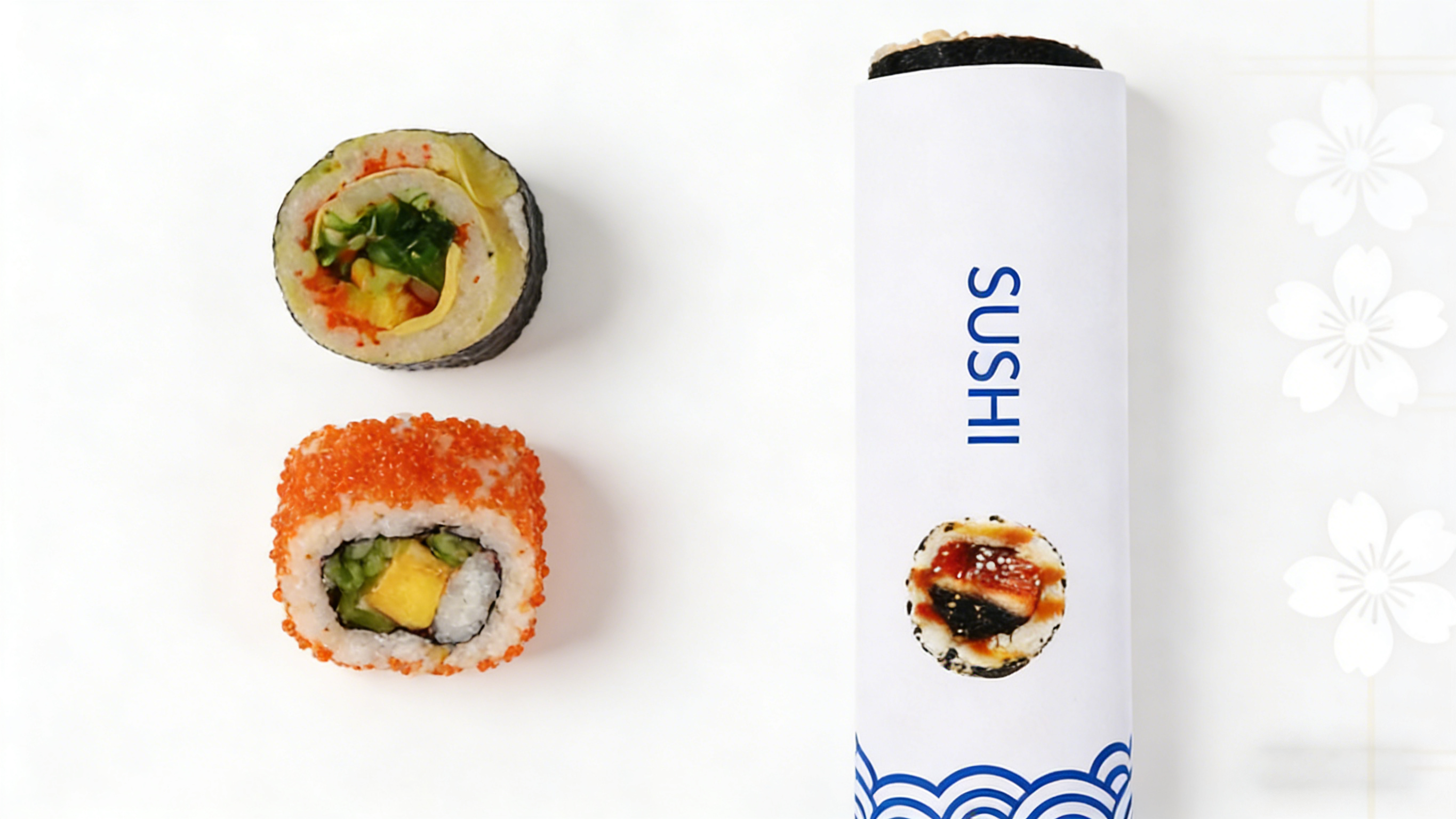
Transporting vertical tubes might seem precarious compared to flat boxes, but they are actually far more secure if packed correctly. The cylindrical shape of a sushi push pop container is inherently strong. It resists crushing forces better than a rectangular plastic lid.
Here is a comparison of how different features contribute to leak-proof transportation:
Feature | Traditional Plastic Tray | Sushi Push Pop Tube |
|---|---|---|
Structural Integrity | Prone to cracking if stacked; lids often pop off. | Rigid paper cylinder resists crushing; metal lids fit securely. |
Leak Protection | Seams often leak; soy sauce packets can burst. | Aluminum foil lining prevents soaking; sauce is stored separately. |
Motion Stability | Sushi rolls slide and tumble during transit. | Sushi is stacked vertically and confined, preventing movement. |
Sauce Application | Requires an external dish or pouring over the tray (messy). | Integrated dispenser controls sauce flow; clean and contained. |
For businesses engaging in this trend, the process of packing and sealing is straightforward but crucial. To ensure the end-user has a clean experience, follow this workflow:
Layering: Pack the sushi rice and ingredients firmly into the tube. The friction holds the "cake" together.
Capping: Use a secure lid. Many high-end paper tubes come with metal or tight-fitting paper caps that snap or twist shut, providing a physical seal against the elements.
Sauce Separation: Ensure the sauce vessel is sealed independently. Whether it is a small bottle tucked inside the top cavity or a container attached to the side, it must not be open during transit.
Upright Packing: Place the tubes vertically in the delivery bag. Their compact footprint allows you to fit more orders in a smaller space compared to flat trays.
1
Beyond the practical sealing benefits, the sushi push pop box addresses a marketing need. We live in a visual era where customers "eat with their eyes" first. A leaking, messy package ruins that visual appeal.
Because the push pop tube is sealed and rigid, the sushi arrives looking exactly as the chef intended. The customization options available—such as printing logos directly on the tube or choosing brand-specific colors—turn the packaging into a mobile billboard. When a customer pushes up the sushi, it is a playful, interactive moment that is highly shareable on social media. A messy plastic tray rarely makes it to Instagram; a pristine, branded sushi push pop often does.
The secret to transporting push pop sushi without leaks isn't just one thing; it is a combination of smart engineering and the right materials. By moving away from flimsy plastic and embracing foil-lined paper tubes with integrated sauce dispensers, restaurants can offer a takeout experience that is as clean as it is fun.
If you are ready to upgrade your packaging game and banish leaky deliveries for good, looking into specialized manufacturers like Hallpack is the best place to start. Their expertise in food-grade paper tubes ensures your culinary creations arrive in perfect condition, every time.