English
 Views: 0 Author: Site Editor Publish Time: 2025-12-05 Origin: Site


When it comes to packaging bottles—whether they contain premium spirits, essential oils, luxury perfumes, or even gourmet sauces—protection is paramount. A shattered bottle isn't just a lost product; it's a customer service headache, a logistical mess, and a ding to your brand's reputation. But protection shouldn't come at the expense of aesthetics. This is where the round box cylinder for bottles shines.
These sturdy, cylindrical containers offer a unique blend of structural integrity and visual appeal that standard rectangular cartons simply can't match. They provide a 360-degree shield around your product while offering a sleek, premium look that stands out on the shelf.
In this guide, we’ll explore why round box cylinders are becoming the gold standard for bottle packaging, how they safeguard your goods during transit, and the branding opportunities they unlock.
Why is a round shape so effective for protecting bottles? The answer lies in physics. A cylinder is inherently stronger than a box with corners. When external pressure is applied to a square box, the stress tends to concentrate at the corners and edges, making them weak points susceptible to crushing.
In contrast, a round box cylinder for bottle packaging distributes external pressure evenly across its curved surface. This arch-like structure means the packaging can withstand significant weight and impact without collapsing.
Most quality paper tubes are made by winding layers of kraft paper around a mandrel, bonded with strong adhesives. This process creates a rigid wall that is incredibly resistant to crushing. For glass bottles, which are fragile by nature, this rigid wall acts as a helmet, absorbing shocks that would otherwise shatter the glass.
A key aspect of protection is minimizing movement. Standard boxes often require ample packing peanuts or bubble wrap to keep a bottle from rattling around. A custom-sized cylinder, however, can be manufactured to fit the specific diameter of your bottle. With a snug fit, the bottle remains stationary, reducing the risk of breakage from internal movement during shipping.
Not all tubes are created equal. To ensure your goods are truly safeguarded, you need to understand the materials involved in manufacturing a high-quality round box cylinder for bottles.
The backbone of any paper tube is the cardboard stock. High-density kraft paper is the industry standard for durability. The thickness of the tube wall—measured in millimeters—determines the crush resistance. For heavy wine or spirit bottles, a thicker wall thickness (usually 2mm to 3mm) is recommended to handle the weight and provide adequate shock absorption.
Inside the tube, the liner touches your product. For food and beverage items, a food-grade aluminum foil liner is often used. This not only provides a clean, premium look but also offers barrier properties against moisture and odors, ensuring the contents of the bottle remain pristine.
The outer layer is where protection meets branding. This is typically a high-quality art paper or specialty paper wrapped around the kraft core. While its primary job is to look good, it also adds an extra layer of resistance against scuffs and scratches, keeping the packaging looking fresh from the warehouse to the customer's hands.
Protection is functional, but packaging is emotional. In a retail environment or an e-commerce delivery, the first physical touchpoint a customer has with your brand is the box. A round box cylinder for bottles immediately signals "premium."
Walk down any aisle in a liquor store or cosmetic shop. Rectangular boxes are everywhere. They blend together. A cylinder breaks the visual monotony. Its curved surface catches the light differently and draws the eye. It suggests that the product inside is special, deserving of unique housing.
From a design perspective, a cylinder offers a continuous canvas without hard edges or "back panels" that get hidden. You can utilize the entire circumference for seamless artwork, storytelling, or ingredient lists. This encourages the consumer to pick up the product and rotate it in their hands, increasing engagement and the likelihood of purchase.
One overlooked benefit of sturdy cylindrical packaging is that customers rarely throw it away immediately. Unlike a flimsy folding carton that gets torn open and discarded, a rigid tube often finds a second life. Customers reuse them to store pens, brushes, or trinkets. This keeps your brand in their home long after the product is consumed.
Implementing a round box cylinder for bottle packaging doesn't mean you're stuck with a generic cardboard tube. The customization options are virtually endless, allowing you to tailor the protection and the look to your specific needs.
Rolled Edge: The ends of the tube are rolled inward for a smooth, finished look. This is classic and elegant.
Flat Cap (Metal or Plastic): For added durability and a distinct industrial or modern look, metal plugs can be used on the top and bottom.
Telescopic: Two tubes (one slightly larger than the other) slide over each other. This provides a double wall of protection for a portion of the bottle and creates a satisfying sliding reveal when opening.
To enhance the tactile experience, consider premium printing finishes:
Soft-Touch Lamination: Gives the tube a velvety feel that screams luxury.
Spot UV: Highlights specific logos or text with a glossy shine against a matte background.
Foil Stamping: Adds metallic gold, silver, or copper accents for a high-end aesthetic.
Embossing/Debossing: Adds physical texture to the packaging, engaging the sense of touch.

In the current market, consumers are increasingly eco-conscious. They want packaging that protects their purchase but doesn't harm the planet. Fortunately, paper tube packaging aligns perfectly with these values.
Round box cylinders are primarily made from paper, a renewable resource. Many manufacturers use recycled pulp for the core, and the entire package can often be recycled again (provided non-recyclable foils or laminates are minimized or easily separated).
By switching from plastic clamshells or excessive Styrofoam inserts to a paper-based cylinder, you demonstrate a commitment to sustainability without compromising on the safety of your goods.
If you are still using standard folding cartons or bubble wrap for your bottled products, it might be time to reconsider. Here is a quick summary of why the switch is worth it:
Superior Crush Resistance: The arch structure handles vertical and horizontal pressure better than square boxes.
Reduced Breakage: A snug fit prevents internal rattling and impact damage.
Market Differentiation: Unique shapes stand out on crowded shelves.
Premium Perception: High-quality rigid structures justify a higher price point for your product.
Eco-Friendly: Paper-based materials appeal to modern, green-minded consumers.
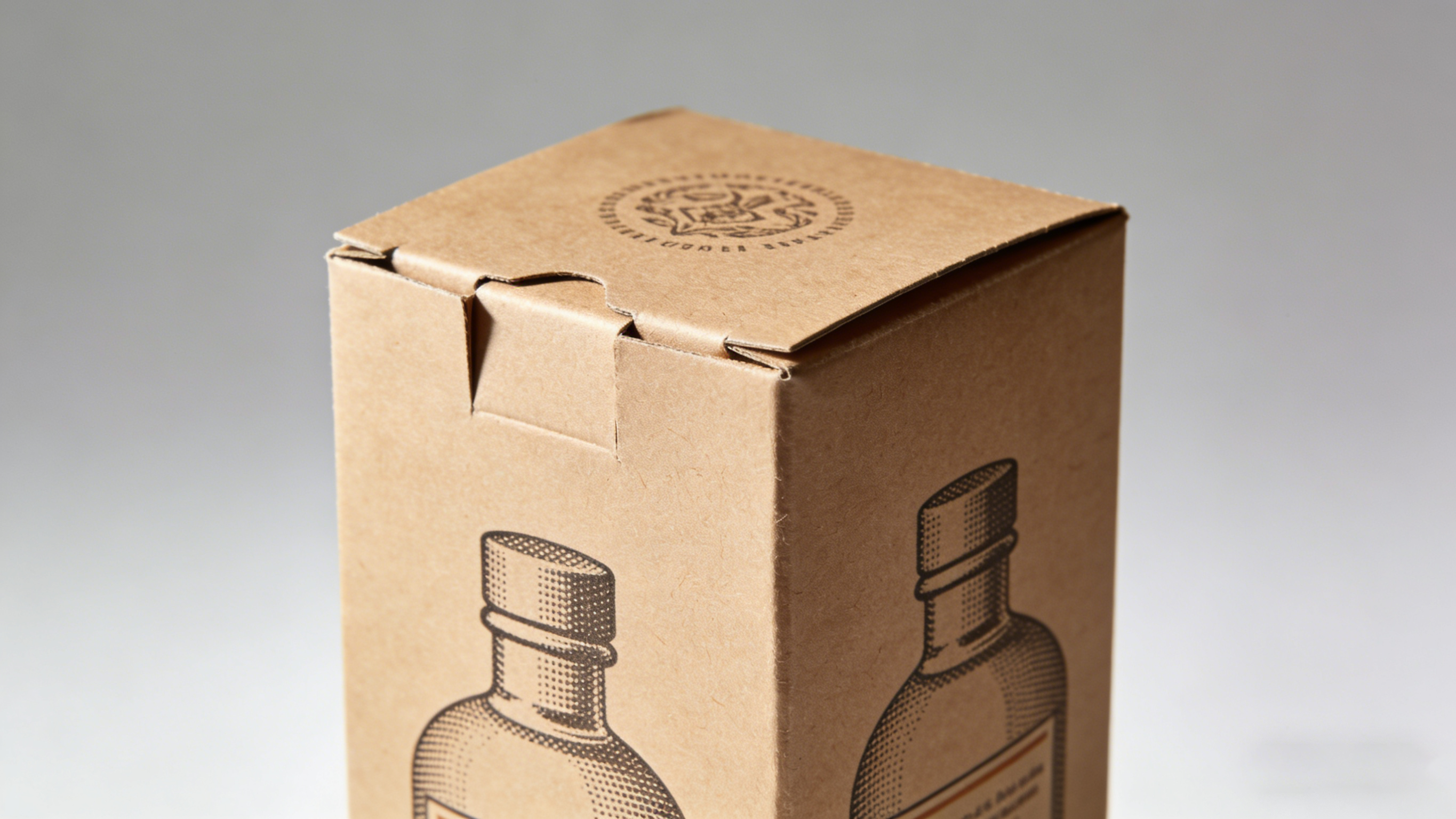
Your product has traveled a long way to get to your customer—from manufacturing and filling to warehousing and shipping. It deserves to arrive in perfect condition.
A round box cylinder for bottle packaging offers the perfect marriage of form and function. It stands strong against the rigors of transit while presenting your brand with elegance and sophistication. By investing in robust, cylindrical packaging, you aren't just buying a box; you are buying insurance for your product and an upgrade for your brand image.
Safeguard your goods. Stand out from the competition. Choose the strength of the cylinder.