English
 Views: 0 Author: Site Editor Publish Time: 2025-12-09 Origin: Site


In the competitive world of retail, product packaging is your first opportunity to make a lasting impression. It’s more than just a container; it's a sensory experience that communicates your brand's quality and values before the customer even sees the product inside. The right finish can elevate your packaging from simple to sophisticated, turning a standard box or tube into a memorable part of the unboxing experience.
Understanding the different printing and finishing processes available is key to creating packaging that stands out. From the sleek feel of a matte finish to the eye-catching shimmer of hot foil stamping, each technique offers a unique way to enhance your brand's presentation. This guide will walk you through some of the most popular printing processes, helping you make an informed decision for your next packaging project. We'll pay special attention to one of the most elegant and popular choices: matt lamination paper tube packaging. By the end, you'll have a clear idea of how to choose the perfect finish to captivate your customers.
Think about the last time you received a beautifully packaged product. Was the box smooth and velvety, or did it have a high-gloss shine that caught the light? These details are not accidental. They are strategic choices designed to create a specific emotional response and reinforce brand identity. By investing in the right finish, you are investing in your brand's story and creating a stronger connection with your audience.
Lamination is one of the most common and effective ways to enhance and protect product packaging. This process involves applying a thin layer of plastic film to the surface of the paper or cardboard. It not only improves the look and feel but also adds durability, making the packaging more resistant to moisture, scuffs, and tears. The two primary types of lamination are matte and gloss, each offering a distinct aesthetic.
Matt lamination provides a smooth, non-reflective, and elegant finish. It has a soft, velvety texture that feels luxurious to the touch. This subtle, sophisticated look is increasingly popular for premium products, from high-end cosmetics and candles to gourmet foods and electronics.
Key Benefits of Matt Lamination:
Sophisticated Appearance: The non-shiny surface creates a modern, understated, and high-end feel. It’s perfect for brands that want to convey elegance and quality.
Reduced Glare: Unlike gloss, matt lamination doesn't reflect light, which can make text easier to read and allows the printed colors to appear more subdued and rich.
Tactile Experience: The soft, smooth texture is pleasant to hold, enhancing the unboxing experience.
Fingerprint Resistance: Matt surfaces are much less likely to show fingerprints and smudges, keeping the packaging looking clean and pristine.
Matt lamination paper tube packaging is an excellent choice for cylindrical products. The seamless, velvety finish on a paper tube creates a visually stunning and cohesive look, perfect for items like skincare bottles, essential oils, or luxury spirits. It provides a premium canvas that can be further enhanced with other printing techniques like spot UV or foil stamping.
Gloss lamination, on the other hand, offers a shiny, high-reflection finish that makes colors appear more vibrant and saturated. This finish is eye-catching and dynamic, often used to make products pop on the shelf.
Key Benefits of Gloss Lamination:
Vibrant Colors: The glossy surface enhances the ink colors, making them look sharper and more vivid.
Attention-Grabbing: The reflective sheen naturally draws the eye, making it a great choice for crowded retail environments.
Easy to Clean: The smooth, non-porous surface can be easily wiped clean of dust or smudges.
Perceived Durability: The shiny finish often gives an impression of sturdiness and protection.
When to Choose Gloss: Gloss lamination is ideal for products that want to project energy, fun, and excitement. It’s commonly used for children’s toys, some food products, and promotional materials where grabbing attention quickly is the main goal.
Beyond basic lamination, several other printing techniques can be combined to create truly unique and luxurious packaging. These processes add texture, shine, and intricate detail, taking your design to the next level.
Hot foil stamping is a process where a metallic or pigmented foil is applied to the surface of the packaging using heat and pressure. It’s perfect for adding a touch of metallic shine to logos, text, or specific design elements.
Common Colors: Gold, silver, rose gold, and copper are popular choices, but foils are available in a wide spectrum of colors and holographic patterns.
Best Use: Use it to highlight your brand name, create a premium border, or add a metallic accent to your design. It pairs beautifully with a matt laminated background, where the contrast between the non-reflective surface and the shiny foil creates a dramatic effect.
Embossing and debossing are techniques used to create a three-dimensional effect on paper or cardstock.
Embossing raises a part of the design from the surface, creating a raised, tactile element.
Debossing presses a part of the design into the surface, creating an indented effect.
Both methods add a sophisticated and tangible quality to your packaging. They are often used on logos or key patterns to add depth and encourage physical interaction with the package. When combined with ink or foil, the effect is even more striking.
Spot UV (Ultraviolet) is a coating technique that applies a high-gloss finish to a specific area of the design, rather than the entire surface. This allows you to create a contrast in textures on a single piece of packaging.
How It Works: A UV-curable liquid is applied to the desired spots and then hardened with ultraviolet light.
Dramatic Contrast: Spot UV is most effective when used on a matt laminated surface. The contrast between the sleek, non-reflective base and the high-gloss, shiny spots creates a powerful visual and tactile experience. You can use it to make a logo shimmer, highlight a product image, or create subtle, glossy patterns.
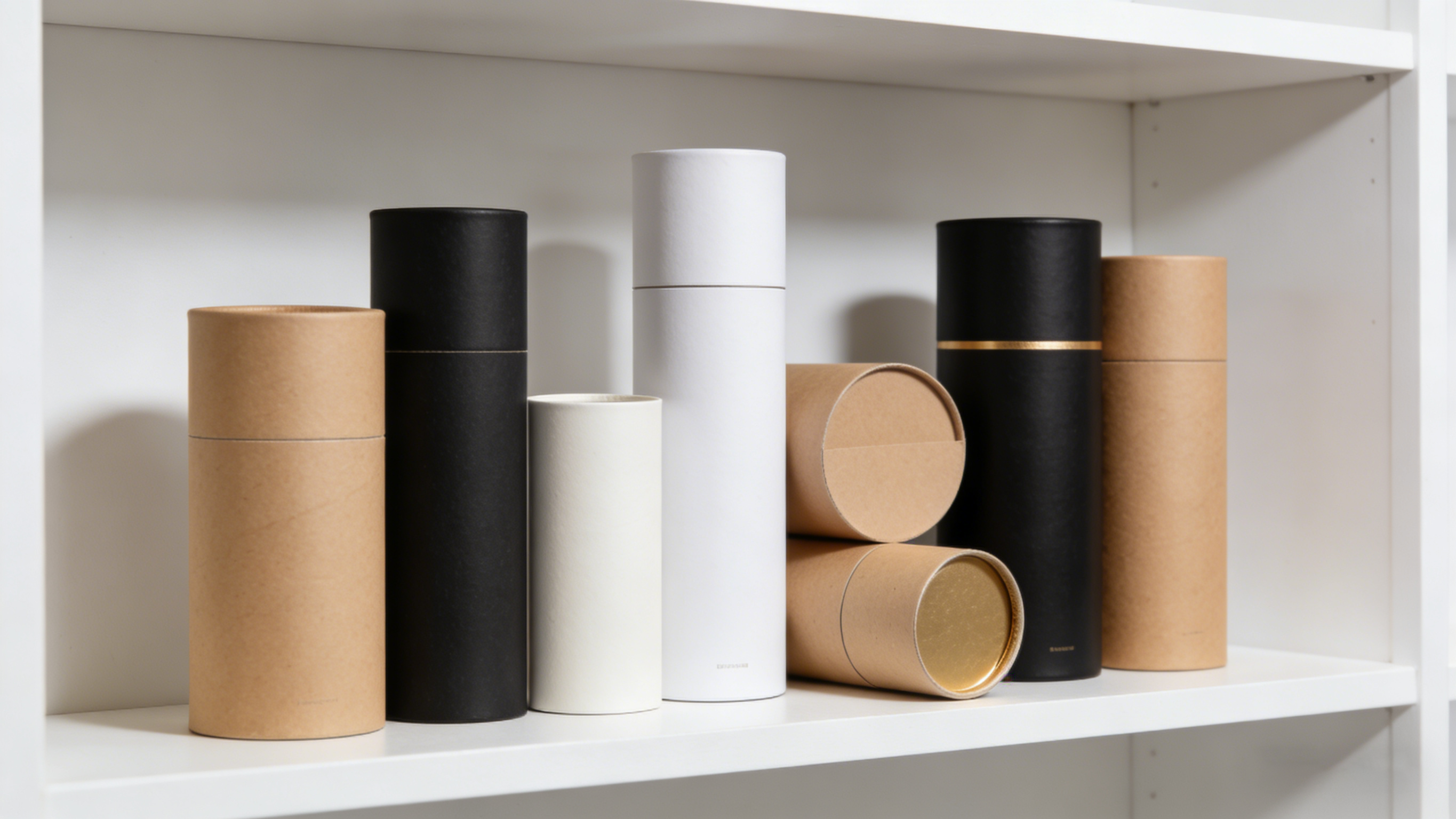
When selecting a printing process, consider your brand identity, target audience, and product. A minimalist skincare brand might opt for matt lamination paper tube packaging with a simple debossed logo, while a vibrant confectionery brand might choose a gloss laminated box with colorful hot foil stamping.
Don't be afraid to combine techniques. A popular and effective combination is a matt laminated surface with spot UV and foil stamping. This multi-layered approach creates a rich, dynamic design that engages multiple senses and tells a story of quality and attention to detail. By carefully selecting your printing finishes, you can create packaging that not only protects your product but also becomes a powerful marketing tool.