English
 Views: 0 Author: Site Editor Publish Time: 2026-01-26 Origin: Site


When a customer picks up a fragrance, the scent isn’t the first thing they experience—the packaging is. In the competitive world of beauty and cosmetics, your packaging needs to scream luxury before the bottle is even revealed. This is where the perfume paper tube shines. It offers a sleek, modern, and often eco-friendly alternative to traditional square boxes. But a plain tube won't catch anyone's eye. The magic lies in the finish.
Choosing the right printing technique for your custom paper tube for perfume is about more than just slapping a logo on cardboard. It is about texture, light reflection, and color accuracy. It is the difference between a product that feels "drugstore" and one that feels "designer." Whether you are a startup perfumer or an established brand looking to refresh your look, understanding your printing options is crucial for maximizing shelf appeal.
This guide explores the top printing techniques used in paper tube design, helping you decide which method best suits your brand’s aesthetic and budget.
Perfume is an emotional purchase. Customers are buying a feeling, a memory, or an identity. Your packaging is the physical vessel for that story. A high-quality print job communicates value instantly. If the gold foil flakes off or the colors look muddy, the consumer subconsciously assumes the fragrance inside is low quality.
Furthermore, the cylindrical shape of a paper tube presents unique opportunities and challenges. Unlike flat boxes, tubes encourage the consumer to turn the package in their hands. This 360-degree canvas requires printing techniques that look seamless and feel pleasant to the touch.
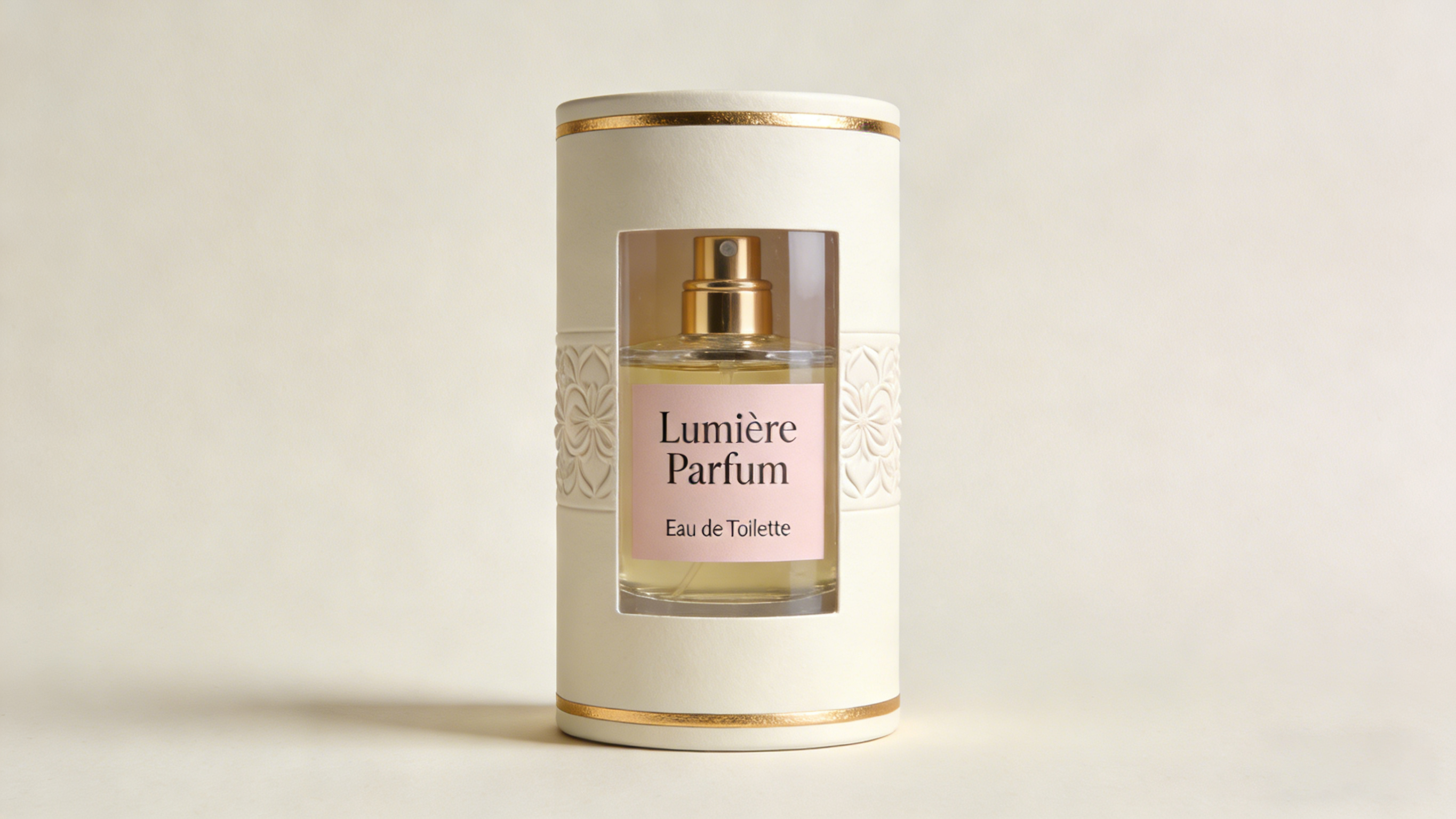
To help you navigate the manufacturing process, we have broken down the most effective printing methods available for creating a stunning custom paper tube for perfume.
Offset printing is the gold standard for high-volume packaging. It provides exceptional color fidelity and sharp, clean images.
How it works: Ink is transferred from a metal plate to a rubber blanket, and then onto the paper surface of the tube.
Best for: Brands needing photographic quality images, gradients, or precise Pantone color matching on large orders.
Why choose it: It offers the most professional finish for detailed artwork. While the setup costs are higher, the unit price drops significantly as the quantity increases.
Nothing says "luxury" quite like the shimmer of gold or silver. Hot foil stamping is a non-ink process that uses heat and pressure to apply a metallic foil to the paper.
How it works: A heated die stamps the foil onto the surface of the paper tube.
Best for: Logos, brand names, and decorative borders.
Why choose it: It adds a premium, reflective element that catches the light. This is incredibly popular in the perfume industry to evoke elegance and high value. You aren't limited to gold and silver; holographic and colored foils are also available.
Texture plays a massive role in luxury packaging. You want your customers to feel the packaging, not just see it.
How it works: Embossing raises the paper to create a 3D effect, while debossing depresses the paper to create an indent.
Best for: Creating a tactile experience. It works beautifully for logos or patterns that wrap around the tube.
Why choose it: It adds depth and sophistication without the need for ink. It is subtle yet powerful, suggesting that attention was paid to every detail.
UV Spot coating applies a clear, shiny gloss to specific areas of the design, creating a striking contrast against a matte background.
How it works: A coat of ultraviolet liquid is applied to target areas and cured instantly with UV light.
Best for: Highlighting specific elements like a logo or a specific pattern pattern.
Why choose it: It creates a rich, wet look that feels modern and chic. It is an excellent way to add visual interest to a minimalist design.
If your design features bold, solid blocks of color, silk screen printing is a fantastic option.
How it works: Ink is pushed through a mesh screen onto the paper.
Best for: Vibrant, solid colors and text.
Why choose it: The ink layer is thicker than offset printing, resulting in intense, durable colors that stand out on the shelf. It also has a unique tactile feel that differs from standard flat printing.
1
Choosing the right method often comes down to balancing your aesthetic goals with your budget. The table below outlines how these techniques compare.
Technique | Cost Profile | Visual Impact | Tactile Feel | Best Use Case |
|---|---|---|---|---|
Offset Printing | High setup, low unit cost (bulk) | High detail, photographic | Smooth | Complex graphics and large runs |
Hot Foil Stamping | Medium to High | Shiny, Metallic, Luxury | Slightly raised | Logos and premium accents |
Embossing/Debossing | Medium | Subtle, Shadow & Light | High (3D texture) | Minimalist designs, logos |
UV Spot Coating | Low to Medium | High Contrast (Gloss/Matte) | Smooth but distinct | Highlighting specific details |
Silk Screen | Medium | Bold, Vibrant Colors | Slightly raised ink | Simple, bold branding |
When designing a perfume paper tube, you likely have specific questions about feasibility and sustainability. Here are answers to common queries.
Yes, absolutely. In fact, the most stunning packaging often combines methods. For example, you might use offset printing for the background color, matte lamination for a smooth feel, and hot foil stamping for your logo. Combining UV spot coating with matte lamination is also a popular choice for creating texture contrast.
At Hallpack, we prioritize sustainability. Generally, standard offset printing using soy-based inks is very eco-friendly. Embossing and debossing are also excellent choices as they require no ink or foil, utilizing the paper itself to create the design. If sustainability is a core brand value, ask your manufacturer about their specific ink certifications and paper sourcing (like FSC-certified materials).
Yes, digital printing is ideal for small runs or prototypes. It doesn't require the expensive setup plates of offset printing, making it cost-effective for limited edition fragrances or sample tubes. However, for large-scale production, offset printing usually offers a lower price per unit and slightly higher quality.
Color consistency is vital. Professional manufacturers use the Pantone Matching System (PMS). When designing your artwork, specify your Pantone codes rather than relying on the colors you see on your computer screen. This ensures that the red on your paper tube matches the red on your bottle label perfectly.

Your packaging is the silent salesman on the shelf. A well-designed custom paper tube for perfume does more than protect the glass bottle inside; it tells your brand's story. By carefully selecting the right printing techniques—whether it’s the prestige of gold foil or the tactile intrigue of embossing—you create an unboxing experience that customers cherish.
If you are looking for a partner to bring your vision to life, Hallpack offers over two decades of experience in manufacturing high-quality, eco-friendly paper packaging. From custom sizes to advanced printing solutions, we can help you create a container that perfectly captures the essence of your fragrance.
Ready to start your design journey? Contact us today to discuss how we can transform your perfume packaging into a work of art.