English
 Views: 0 Author: Site Editor Publish Time: 2026-03-02 Origin: Site


Tossing packaging into the recycling bin seems simple enough—until you hold a cardboard tube and wonder if it belongs there. These cylindrical containers arrive with your online orders, protect posters during shipping, and package everything from snacks to cosmetics. But can you recycle them?
The answer is yes, with some important caveats. Most cardboard tubes are recyclable, but their construction and any added components can affect how and where you recycle them. Understanding what makes a cardboard tube recyclable helps you make better choices for both your business and the environment.
Cardboard tubes are typically made from paper fibers, which recycling facilities can process and transform into new paper products. The basic structure consists of layers of kraft paper wound together, creating a sturdy cylinder that's both lightweight and strong.
The recyclability depends on several factors:
Material composition: Pure cardboard cylinders made entirely from paper fibers are the easiest to recycle. Most curbside recycling programs accept these without issue.
Additional components: Metal caps, plastic windows, or glossy coatings can complicate the recycling process. These elements often require separation before the cardboard enters the recycling stream.
Contamination: Food residue, grease, or moisture can render cardboard tubes non-recyclable. A tube that held cookies covered in chocolate, for example, may not be accepted if the interior is stained with oil.
Recycling cardboard tubes correctly ensures they actually get processed rather than ending up in a landfill. Follow these steps:
Remove non-paper elements: Take off metal lids, plastic caps, or any decorative components that aren't made of paper. These can often be recycled separately.
Check for contamination: If the tube contained food or cosmetics, inspect the interior. Light residue is usually fine, but heavily soiled tubes should go in the trash.
Flatten when possible: Some recycling facilities prefer flattened tubes as they take up less space in collection bins and trucks.
Verify local guidelines: Recycling rules vary by location. Check with your local waste management provider to confirm they accept cardboard tubes and learn any specific requirements.
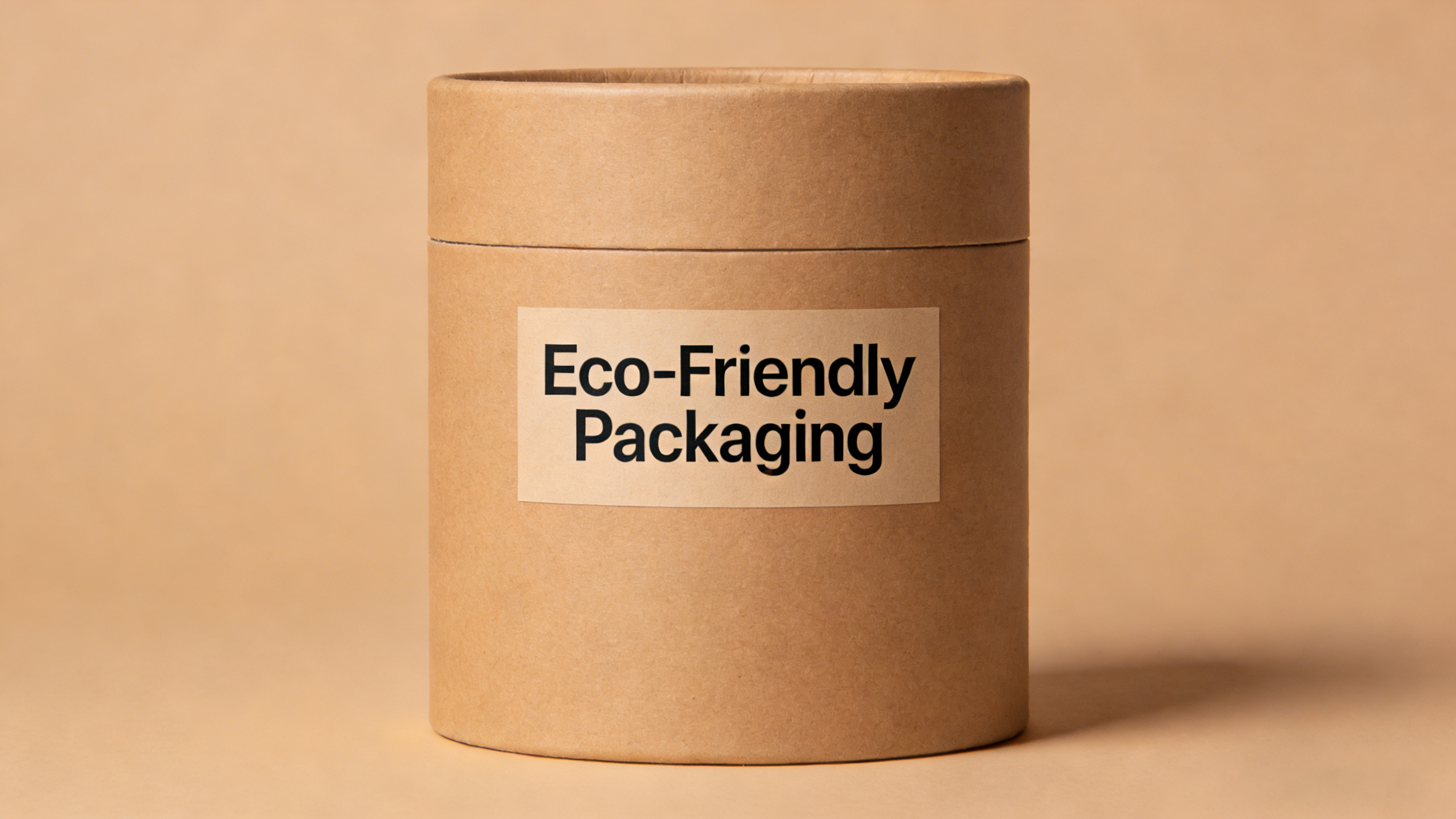
Businesses seeking sustainable packaging solutions increasingly turn to cardboard tubes. These containers offer environmental advantages that extend beyond recyclability.
Reduced carbon footprint: Paper tube manufacturing typically produces fewer emissions than plastic alternatives. The production process requires less energy, and the raw materials often come from renewable sources.
FSC certification: Look for tubes certified by the Forest Stewardship Council (FSC), which ensures the paper comes from responsibly managed forests. Hallpack specializes in FSC-certified cardboard tube packaging that meets international environmental standards.
Biodegradability: Unlike plastic packaging that persists for hundreds of years, cardboard tubes naturally decompose if they end up in the environment.
Customization without compromise: Modern cardboard cylinder packaging can be fully customized with printing, embossing, and unique closures while maintaining recyclability. This allows brands to create distinctive packaging that aligns with sustainability goals.
When sourcing cardboard tubes, manufacturing quality directly impacts both functionality and recyclability. China has emerged as a leading producer of high-quality paper tube packaging, combining advanced machinery with eco-friendly materials.
Hallpack (Heshan) Packaging Products Co., Ltd. exemplifies this manufacturing excellence. Established in 2018 with over 20 years of industry expertise, the company produces food-grade paper tubes, cosmetic packaging tubes, and mailing tubes using sustainable materials. Their facility employs state-of-the-art equipment and rigorous quality control to ensure every tube meets international standards.
Quality manufacturing matters because:
Properly constructed tubes are more likely to be accepted by recycling facilities
Durable tubes protect products better, reducing waste from damaged goods
Consistent production standards ensure recyclability across entire product lines
1
For businesses evaluating packaging options, cardboard tubes offer a practical path toward sustainability. They provide the protection and presentation your products need while supporting environmental responsibility.
Consider these factors when selecting cardboard tube packaging:
End-of-life disposal: Choose designs that customers can easily recycle. Avoid unnecessary plastic components or complex multi-material constructions.
Material sourcing: Partner with manufacturers who use recycled content and sustainably sourced paper. This reduces the environmental impact of virgin material extraction.
Design efficiency: Optimize tube dimensions to minimize material use while still protecting the product. Smaller, lighter packaging reduces transportation emissions.
Customer communication: Include clear recycling instructions on your packaging. When customers know how to dispose of tubes properly, recycling rates increase.
Cardboard tubes can and should be recycled. By understanding what makes them recyclable and choosing quality, eco-friendly options from manufacturers like Hallpack, businesses can package their products responsibly while meeting customer expectations for sustainability. The right cardboard cylinder packaging protects your products, enhances your brand, and supports a circular economy where materials are reused rather than wasted.