English
 Views: 0 Author: Site Editor Publish Time: 2025-12-27 Origin: Site


Sustainability isn't just a trend anymore; it is the standard. As restaurants and food brands rush to replace single-use plastics with eco-friendly alternatives, paper packaging has taken center stage. However, this rapid shift has raised a critical question among health-conscious consumers and business owners alike: Is this packaging actually safe?
When dealing with direct food contact—especially for moist or oily foods like sushi—the structural integrity and chemical composition of the container matter immensely. You might be wondering if that cardboard tube holds hidden chemicals or if the lining contains BPA.
The short answer is: Yes, high-quality push pop paper tubes can be completely food-safe and BPA-free, provided they are manufactured with the right materials and certifications.
In this guide, we will break down exactly what makes a paper tube safe for food, why the "Sushi Paper Tube" is revolutionizing the takeout industry, and how innovations in lining materials are keeping your food fresh without compromising your health.
To understand safety, we first have to look at the materials. Bisphenol A (BPA) is an industrial chemical used to make certain plastics and resins. It is often found in polycarbonate plastics and epoxy resins, which are sometimes used to line food containers.
Raw paper, by nature, does not contain BPA. It is made from cellulose fibers derived from wood pulp. However, raw paper is porous. If you put fresh sushi or a creamy dessert directly into a cardboard tube, the moisture would seep through, destroying the packaging and potentially contaminating the food with paper fibers.
To solve this, manufacturers must use a lining. This lining is where the safety distinction lies.
Cheaply made paper tubes might use low-grade plastic linings that could contain harmful chemicals. However, premium food-grade push pop tubes utilize advanced barrier materials.
Leading manufacturers, such as Hallpack, have moved away from questionable plastics. Instead, they utilize aluminum foil linings certified by the U.S. FDA. This creates a robust barrier that is:
Non-toxic: Safe for direct contact with food.
Impermeable: Prevents grease and moisture from leaking through.
BPA-Free: Aluminum does not contain bisphenols.
1
The best example of this safety technology in action is the Sushi Paper Tube. Designed specifically to replace traditional plastic clamshells, these tubes face a difficult challenge: keeping raw fish fresh, hygienic, and visually appealing.
For a product like the Sushi Push Pop Tube, safety is non-negotiable. The interior utilizes a food-grade aluminum foil lining. This material is widely recognized for its safety in the food and beverage industry. It ensures that there is no chemical migration from the packaging to the food, preserving the original flavor of the sushi.
Food safety isn't just about chemicals; it's also about hygiene during consumption. The structural design of the push pop tube promotes a cleaner eating experience.
Sealed Structure: The tube protects the sushi from external contaminants during delivery.
Push-to-Enjoy: The consumer pushes the sushi up from the bottom, meaning they don't need to touch the food with their hands.
Integrated Sauce Dispenser: High-end versions of these tubes feature a floating sauce dispenser. This prevents spills and keeps the sauce contained until the moment of consumption, reducing the risk of bacterial growth that can occur in messy, unsealed sauce cups.
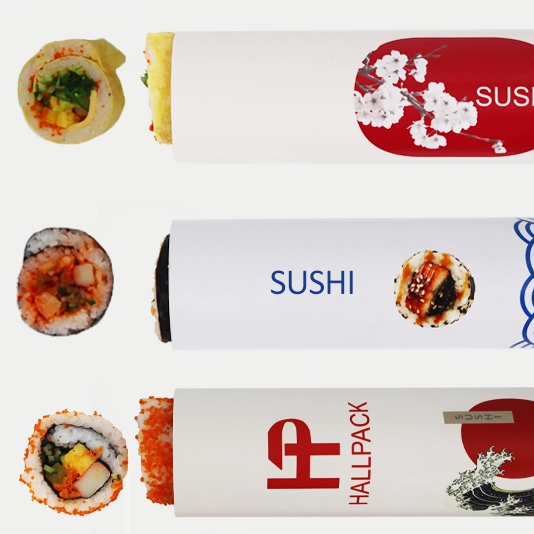
When deciding between traditional packaging and the new wave of paper push pop tubes, it helps to look at the specifications side-by-side.
Feature | Traditional Plastic Sushi Container | Premium Sushi Paper Tube |
|---|---|---|
Primary Material | Plastic (PET, PP, or PS) | Biodegradable Paperboard |
Lining Material | None (Single material) | FDA-Certified Aluminum Foil |
BPA Status | Varies (Risk of leaching if heated) | 100% BPA-Free |
Grease Resistance | High | High (Due to foil lining) |
Environmental Impact | Takes centuries to decompose | Biodegradable & Recyclable |
Consumer Experience | Standard, often messy | Interactive, "Push-to-Enjoy" ritual |
The "push pop" concept is often associated with childhood candy, but it has been re-engineered for sophisticated dining experiences. The mechanism is simple yet effective, ensuring the food remains intact and safe.
Remove the Sauce Container: The tube typically includes a detachable section or integrated space for soy sauce.
Pour and Prep: The consumer pours the sauce into the designated dispenser area.
The Push: By pushing the bottom disc upward, the sushi rises smoothly. The tight seal between the disc and the tube wall ensures the food doesn't wobble or deform.
Consumption: The diner eats the sushi directly from the top of the tube, eliminating the need for chopsticks or touching the food.
This mechanism relies on precision manufacturing. If the tube is not perfectly round or the bottom disc is too loose, the mechanism fails. This is why sourcing from experienced manufacturers like Hallpack is essential for ensuring both safety and functionality.
Beyond health safety, there is the aspect of brand safety. Your packaging is the first physical touchpoint a delivery customer has with your restaurant. Using a generic, flimsy container can damage your brand's reputation.
Paper tubes offer superior customization compared to clear plastic.
Full-Color Printing: The entire exterior of the tube can be printed with CMYK designs, logos, and brand storytelling.
Size Adaptability: Whether you are selling thin maki rolls or substantial sushi burritos, the height and diameter (standard 59mm) can be adjusted to fit the portion size perfectly.
By using high-quality, branded, and safe packaging, businesses signal to their customers that they care about quality control down to the last detail.
While they are designed to be grease-resistant and moisture-proof due to the aluminum lining, they are not designed to hold pure liquids (like a drink) for extended periods. They are engineered specifically for solid or semi-solid foods like sushi, cakes, and layered desserts. However, the integrated sauce dispensers are specifically designed to hold soy sauce temporarily during the meal.
Yes. The primary body is made of paper, which is a renewable resource. While the aluminum lining is a distinct material, many modern recycling facilities can process lined paper products. Compared to solid plastic containers, the environmental footprint is significantly lower.
No. The FDA-certified aluminum foil used in high-quality Sushi Paper Tubes is treated to be inert. It does not react with food, including acidic ingredients like sushi rice vinegar, ensuring the taste remains 100% authentic.
Generally, no. Because the lining is made of aluminum foil, you should not place these tubes in a microwave. They are designed for serving fresh, cold, or room-temperature foods.
The shift toward sustainable packaging should never come at the cost of food safety. Fortunately, with the innovation of the Sushi Paper Tube, businesses don't have to choose between the planet and their customers' health.
These tubes are not only BPA-free, but they also offer a superior barrier against bacteria and contamination compared to standard takeout boxes. The use of FDA-certified aluminum linings guarantees that the food remains fresh, safe, and delicious from the kitchen to the customer's door.
If you are ready to elevate your brand with packaging that is safe, sustainable, and visually stunning, it is time to explore the possibilities of paper push pop tubes.
Ready to switch to safer, smarter packaging?
Visit Hallpack today to request a quote or customize your own Sushi Push Pop Tubes.