English
 Views: 0 Author: Site Editor Publish Time: 2025-12-16 Origin: Site


If you’re a tea lover, you know that few things compare to the ritual of brewing a perfect cup. The aroma, the flavor, the warmth—each element contributes to an experience that feels both grounding and enriching. But have you ever opened a package of your favorite tea only to find that its vibrant color and fresh scent have faded? Or worse, that the flavor tastes dull, flat, or oddly stale? Light exposure might be the invisible culprit. In this article, we’ll explore one of the most traditional yet increasingly popular solutions: paper tubes. Can these simple, often beautifully designed containers really protect your precious tea leaves from light effectively? Let’s dive in and find out.
To understand why protection matters, it’s crucial to grasp what light—especially sunlight and artificial lighting—does to tea. Tea leaves are delicate, natural products. They contain compounds like chlorophyll, polyphenols, antioxidants, and essential oils that create their complex flavors, aromas, and health benefits. These compounds are sensitive to environmental factors: air (oxygen), moisture, heat, and light.
Light, particularly ultraviolet (UV) and intense visible light, acts as a catalyst for oxidation and degradation. It breaks down the chemical structures in tea leaves, leading to:
Loss of flavor and aroma: The volatile oils that give tea its distinctive scent evaporate or break down more quickly.
Color fading: Chlorophyll decomposes, causing green teas to turn dull and brownish, while other teas lose their rich hues.
Reduction in nutrients: Antioxidants like catechins can degrade, diminishing the tea’s health-promoting properties.
Off-flavors: Accelerated oxidation can create stale, “cardboard-like” tastes.
This process is called photodegradation. It doesn’t require direct sunlight; even consistent exposure to bright indoor lighting in a store or kitchen can cause cumulative damage over weeks. Therefore, effective light blocking isn’t just a luxury—it’s a necessity for preserving tea’s quality from production to your cup.
Paper tubes, often called tea canisters or cylinders, are cylindrical containers made primarily from paperboard. They typically feature a metal or plastic bottom, a removable plastic or metal lid, and sometimes an inner seal or liner. But not all paper tubes are created equal. Their ability to protect tea from light depends heavily on their construction, materials, and design.
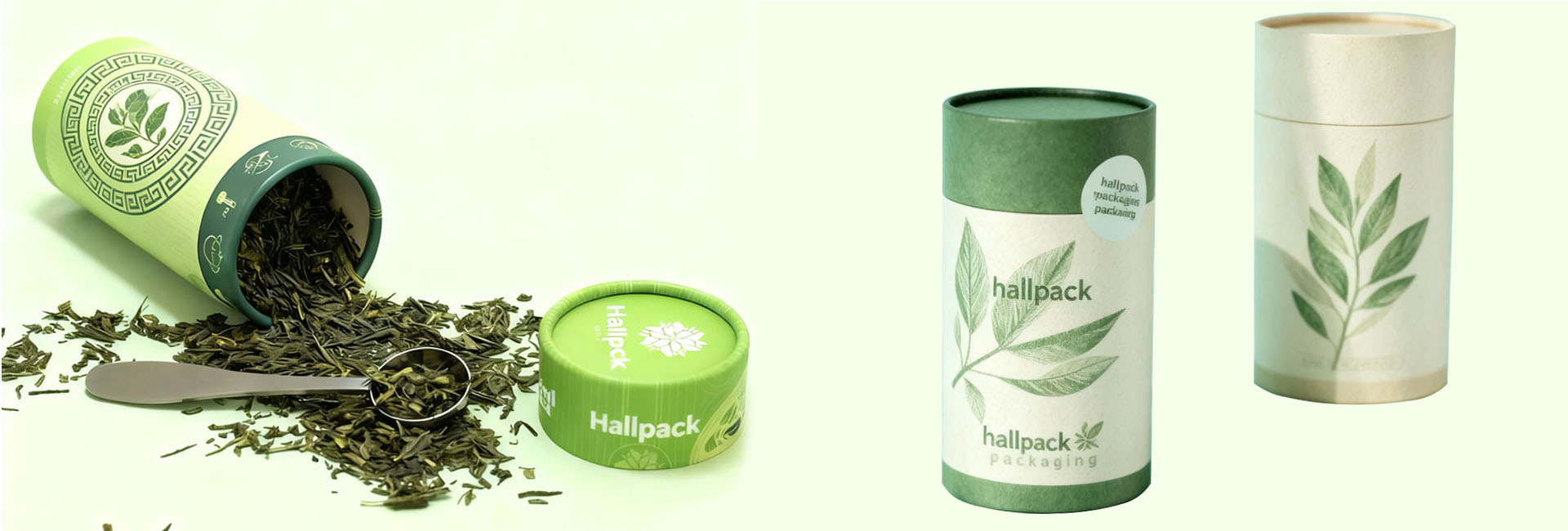
Most paper tubes used for premium tea packaging are made from multiple layers of material:
Outer Layer: This is the printed, decorative layer. It can be coated with varnishes or laminates for sheen and durability. While this layer alone isn’t fully lightproof, dark-colored prints (deep blues, blacks, browns) or metallic finishes can reflect or absorb a significant amount of light.
Middle Layer(s): The core is usually thick paperboard (chipboard) that provides structure. Its density naturally obstructs some light penetration.
Inner Layer: This is the critical barrier. Many quality tubes have a foil laminate or a metallic-lined interior—a thin layer of aluminum foil bonded to paper or film. This foil layer is highly effective at blocking both light and oxygen. Some may use a thick, dark food-grade polymer coating or a black interior layer that absorbs light.
A reputable Paper Tube Manufacturer will engineer these layers specifically for light-sensitive products. The key is opacity—the material’s ability to prevent light transmission. A well-made tube with a foil interior can achieve near-total light blockage.
To put paper tubes in context, here’s how they stack up against other common packaging types in terms of light protection:
Packaging Type | Material Typical Composition | Light Protection Effectiveness | Additional Pros | Additional Cons |
Paper Tubes/Canisters | Layered paperboard, often with foil interior | High to Very High (with foil lining) | Excellent branding surface, recyclable components, sturdy, good moisture barrier with liner. | Can be bulkier, potentially higher cost than bags. |
Tin Cans | Metal (steel/tinplate) | Very High (completely opaque) | Superior protection vs. all elements, classic aesthetic, reusable. | Heavier, more expensive, can dent, production has higher environmental footprint. |
Transparent Bags | Plastic (PET, polyethylene) | Very Low (unless specifically UV-coated) | Low cost, lightweight, shows product. | Offers almost no light protection, poor oxygen barrier unless multilayered. |
Foil Laminated Bags | Multiple layers including aluminum foil | Very High (fully opaque) | Excellent light & oxygen barrier, flexible, lightweight. | Less rigid, can be less premium in perception, recycling is complex. |
Glass Jars | Clear or tinted glass | Low to Moderate (only if dark-tinted) | Aesthetic appeal, reusable, impermeable. | Clear glass offers no protection; tinted helps but not fully; heavy and fragile. |
As the table shows, well-designed paper tubes with proper liners compete closely with tins and foil bags for light protection, while adding distinct aesthetic and functional advantages.
So, do paper tubes protect tea from light effectively? The answer is a resounding yes—provided they are designed with light blocking as a priority.
A standard, thin paper tube with a plain paper interior will offer only minimal protection. However, the custom tea packaging tubes used by specialty tea brands are far from standard. They are engineered to be barriers. The combination of thick, dense paperboard walls and a foil or dark polymer interior lining creates an environment of near darkness inside the container. When sealed with a tight-fitting lid, these tubes effectively:
Block over 99% of visible and UV light, halting photodegradation.
Provide an excellent oxygen barrier (especially with foil), slowing oxidation.
Offer some resistance to moisture vapor, particularly if a sealed foil pouch is also placed inside.
Maintain a stable temperature by providing insulation against brief heat fluctuations.
In essence, for the typical shelf life of purchased tea (6-24 months), a high-quality paper tube offers more than sufficient light protection for everyday storage conditions. It strikes an ideal balance between protection, presentation, and practicality.
Choosing tea tube packaging isn’t just about fighting light. It’s about a holistic approach to product preservation and customer experience.
Multi-Factor Protection: Good tubes protect against the other two major enemies: air (through liners and tight seals) and moisture. This triple-shield approach ensures the tea stays fresh longer.
Brand Storytelling & Sensory Appeal: The cylindrical canvas allows for beautiful artwork, elegant typography, and tactile finishes (embossing, spot UV). The act of opening a sturdy tube, removing the lid, and inhaling the fresh aroma is a ritual that enhances perceived value and creates a memorable unboxing experience.
Sturdiness and Reusability: Unlike bags, tubes are rigid and protect leaves from physical crushing. Consumers often repurpose them for storing other kitchen items, spices, or crafts, keeping your brand in their home longer.
Sustainability Perception: Paper is widely perceived as eco-friendly. Many tubes use recyclable paperboard and are sourced from managed forests. A China Paper Container supplier focusing on sustainable materials can provide tubes that align with modern consumer values, combining responsible sourcing with robust production capacity.
Customization for Perfect Fit: This is where the magic happens. Custom Paper Canisters can be tailored to the exact diameter and height needed for your product, minimizing empty air space (which accelerates oxidation). You can choose specific liners, lid types (threaded, friction-fit, flip-top), and closure systems to achieve the perfect seal for your tea’s needs.
If you’re a brand looking to invest in this packaging, here’s a quick guide:
Prioritize the Interior Liner: Always opt for a foil laminate or certified light-blocking polymer lining. This is non-negotiable for quality tea.
Consider Wall Thickness: Thicker walls (measured in ply or micron) offer better structural integrity and slightly better insulation.
Ensure a Tight Seal: The lid must fit snugly. Threaded metal lids or friction-fit plastic plugs with inner seals are excellent choices.
Work with Specialists: Partner with a manufacturer experienced in food-grade, light-sensitive packaging. They can guide you on material specifications and compliance.
Think Full Journey: Ensure the tube can withstand shipping—resist crushing, and protect the lid from popping off.
In the quest to preserve tea’s delicate soul—its flavor, aroma, and color—protection from light is paramount. Evidence and industry practice confirm that properly constructed paper tubes are not just effective but are an outstanding choice for this purpose. They merge the ancient wisdom of storing dry goods in dark, sealed places with contemporary design and material science.
From the perspective of a Paper Tube Manufacturer, the goal is to create a container that is as functional as it is beautiful. For global brands sourcing from a China Paper Container leader, this means accessing innovation and scale without compromising on protective qualities. And for the tea brand seeking a unique identity, investing in Custom Tea Packaging Tubes allow them to deliver their product in a package that promises and ensures freshness from shelf to sip.
Ultimately, tea tube packaging does more than just block light. It protects an experience. It assures the consumer that the care taken in cultivating and processing the tea leaves extends all the way to the final package. So, the next time you twist open a paper tube and are greeted by that burst of fresh tea aroma, you’ll know—it’s not by accident. It’s by design.
China Paper Container
Custom Tea Packaging Tubes
tea tube packaging