Views: 0 Author: Site Editor Publish Time: 2026-08-26 Origin: Site


One US fluid ounce equals exactly 29.5735 milliliters. You can round this number up to 30 milliliters for fast and easy mental estimates. Learning this simple unit conversion helps you manage daily liquid volume calculations easily. You will often use this accurate math while changing recipe ingredients in the kitchen. You also need exact volume numbers when managing cosmetic labels or planning modern package design projects. Learning to change ounces (oz) to millilitres keeps your standard measurements reliable across global markets. Changing fluid ounces to milliliters gives you total control over every single personal care container and liquid product you prepare for your customers today.
One US fluid ounce equals exactly 29.5735 milliliters when you need precise measurement results.
Multiply fluid ounces by 30 to make quick mental guesses during daily tasks.
Take two percent away from your quick math guess to get a far more exact answer.
American fluid ounces are slightly different in size from British Imperial fluid ounces.
Divide milliliters by 30 to guess regular fluid ounces without using a calculator.
Correct volume measurement stops expensive packaging mistakes such as putting too much or too little product inside.
Hallpack makes eco-friendly paper tube packaging designed to match exact metric and customary volumes.
Understanding basic math for liquid amounts lets you switch between different measurement systems without any stress. Today, many cookbook recipes, skin care labels, and product boxes swap back and forth between customary and metric units. Knowing how to find exact liquid amounts gives you complete control over your cooking, product mixing, and package planning. Learning how these units work together prevents common mistakes during daily tasks and big production jobs. You can quickly calculate exact liquid amounts once you learn the one standard conversion number.
You need a reliable math rule to figure out metric volumes correctly every single time. This standard math rule relies on international definitions that experts around the world agree upon. You can apply this simple multiplication step to any recipe size, bottle volume, or container design project.
Scientists and measurement experts define liquid volumes by following clear math steps. You can see how experts find this exact multiplier by reading these simple steps:
One US fluid ounce equals exactly 1/128 of a US liquid gallon.
International agreements state that one US gallon equals 3785.41 mL.
Dividing 3785.41 mL by 128 gives 29.5735 mL for every fluid ounce.
Multiply your total number of US fl oz by this single fixed number to finish your calculation. This simple math process works great for small sample jars, medium drinking cups, and large storage bottles.
The standard equation for this calculation is: liquid mL = fl oz × 29.57353. This comes directly from the conversion factor 1 fl oz = 29.57353 mL.
When you use this conversion formula, you turn any standard bottle size into accurate metric units right away. You can apply this exact math rule to all your commercial liquid products and home recipes.
You do not always need long decimal numbers for everyday cooking or simple projects. Government groups and store packaging labels often use rounded numbers to make daily measurements much easier for shoppers.
Type | Metric equivalent |
|---|---|
US customary fluid ounce | 29.5735295625 mL |
US food labeling fluid ounce | 30 mL |
Use the exact standard number when you formulate skin lotions, science solutions, or detailed chemical mixtures. Use the rounded food label value of 30 mL when making quick mental guesses or printing simple nutrition facts. Choosing exact numbers or rounded guesses depends entirely on what your specific project needs.
Let us go through a clear math example together. You will see how easy this process is when you use the multiplication number on real containers in your home or shop. Following a step-by-step guide makes sure your final numbers stay correct for every liquid mix you make.
Picture an 8 fluid ounce container sitting right on your kitchen table. You will see this popular container size used for many everyday store items and personal care products:
Single-Serving Drinks
Yogurt and Pudding Cups
Sauce and Dressing Jars
Serving Sizes for Diet Plans
Travel-Sized Items
Sample or Trial-Sized Products
Single-Serving Packaged Foods
Standard Coffee Cup (not a mug)
Small Yogurt Container
Half of a 16 Ounce Water Bottle
A Small Juice Glass Filled to the Top
Special Items like Pre-Rolled Cones for Smoking Products
Common container types: juice glasses, small tumblers, plastic cups
You can convert these 8 fl oz by taking your container volume and multiplying it by the standard 29.5735 number. This quick multiplication step converts your customary volume into metric units in just a few seconds.
You can check your math answer by comparing standard measurements from different parts of the world. Online tools figure out liquid volumes by using specific math values based on regional definitions.
Fluid ounce type | Conversion factor | 8 fl oz to mL |
|---|---|---|
US fluid ounce | 29.5735 | 236.59 mL |
UK imperial fluid ounce | 28.4131 | 227.30 mL |
Your standard 8 fl oz container holds a total liquid volume of 236.59 mL. You multiply 8 by 29.5735 to get 236.588 mL, which rounds neatly to 236.59 mL. You write liquid volume in milliliters whenever you work with international trade partners. This simple step double-checks your math work completely. Now you can label your bottles or follow foreign recipes using exact metric numbers without any confusion. Learning these conversions gives you total accuracy for all your liquid packaging work.
You do not always need a calculator when checking liquid amounts on product labels or recipes. Quick math tricks help you make smart estimates on the spot. You can convert ounces (oz) to millilitres in your head within a few seconds.
The rule of 30 gives you the fastest shortcut for converting liquid amounts. This simple mental trick replaces hard multiplication with basic rounding.
You can easily calculate rough volume totals during daily kitchen work or store visits. You just take your starting volume number and multiply that figure directly by 30.
To convert ounces to milliliters, one would typically multiply the number of ounces by approximately 30.
This quick multiplier turns four ounces into 120 milliliters immediately. You take your original fluid value, double it, add a zero, and finish your quick math guess fast.
Quick mental guesses work great for informal kitchen tasks and general daily checks. You can rely on rounded numbers when you mix drink ingredients or check casual container sizes. Simple daily measurements do not need multi-digit accuracy for everyday success.
However, approximation methods carry clear limits that you should consider carefully:
Simple rounding skips precise conversion values and causes tiny math errors.
Oversimplified shortcuts fail to meet exact target needs in strict business projects.
Large volume calculations turn small rounding differences into big physical errors.
You should save quick estimates for casual tasks and use exact conversion constants for formal commercial packaging work.
You can easily adjust your mental math to get much closer to exact volume numbers. A simple secondary math step fixes the gap between rough guesses and true metric figures.
You can fix your initial 30 multiplier results with one quick adjustment step. This easy trick corrects the small overestimation created by rounding up to 30. You convert ounces (oz) to millilitres by taking your fast 30 multiplier total and subtracting two percent from that figure.
This smart fix removes the extra volume added by the rounded multiplier. You turn a simple guess into a very accurate answer without opening a phone calculator app.
You get great results when you apply this extra step to medium-sized volume checks. Taking two percent off your total brings your final number remarkably close to true scientific standards.
You can check your personal liquid care measurements accurately using this easy mental trick every day. The process gives you complete confidence when comparing container sizes across different regions. You master international fluid standards easily while keeping your math simple and accurate.
A handy chart helps you check standard liquid sizes without doing math every single time. You can compare common container sizes fast when shopping or making your own products.
Small liquid sizes show up often in daily life. You usually see these amounts in travel bottles, sample items, and cooking extracts.
Small container sizes need clear accuracy during daily work. You should track these numbers carefully to keep your product labels correct around the world.
Single-ounce bottles work great for strong liquids and sample products. You can switch this base unit straight into metric numbers for your items.
1 fluid ounce is approximately equal to 29.5735 milliliters.
You find this small size used for skin serums, perfume oils, and flavor extracts. Knowing this base number makes larger math much easier for your personal work.
Two-ounce containers hold double the liquid of single-ounce bottles. This popular container size easily meets travel limits for airline carry-on bags.
You get about 59.15 mL when you double the base single-ounce number. This size works fine for small hand sanitizers, mini shampoos, and special sauces. Doing this quick math keeps your product descriptions clear for all your buyers.
Medium liquid containers cover most household drinks, kitchen foods, and everyday skin items. Changing these mid-sized ounces helps you scale your recipes and packaging smoothly.
A four-ounce container gives a handy middle size for many daily liquid products. You can check the metric numbers for this size in the table below.
System | Capacity (fl oz) | Metric Volume (mL) |
|---|---|---|
US customary | 4 | 118.29 |
Imperial (UK) | 4 | 113.64 |
Based on official metric numbers, 4 US fluid ounces equals 118.294 milliliters. Knowing where your customer lives helps you pick the correct system for your product labels. You stop packaging mistakes when printing the full volume in milliliters on your product boxes.
Eight ounces equals a normal cup size in standard American kitchen units. You can change these larger ounces (oz) to millilitres so your cooking stays accurate.
Your math gives about 236.59 mL for a standard eight-ounce cup size. People use this volume for drinking cups, lotion bottles, and soup cans. Double-checking container sizes ensures your products meet store rules in every country. Precise numbers build strong trust with your customers every day.
Accurate volume conversion from fluid ounces to milliliters is critical when designing cosmetic containers like plastic jars and bottles. It ensures consistency and safety for products such as serums, lotions, and essential oils.
Getting your liquid math right is super important when you make makeup jars and squeeze bottles. Making simple conversion errors today will quickly lead to huge packaging headaches for your business.
Using accurate measurement math helps shoppers trust your skincare business completely. Global factories shape product molds with the metric system, but your shoppers like standard fluid ounces better.
Accurate fluid ounce to milliliter conversion is essential for product integrity. It ensures that labels reflect the correct volume, which is fundamental for manufacturing specifications and consumer trust.
Always remember real fill limits whenever you choose small jars for soothing skin balms. Most jars hold liquid up to ninety or ninety-five percent of their top rim. That means a bottle made for 120 ml only holds 108 to 114 ml safely.
Print the true liquid amount in milliliters right on the outside of your box. Following this quick rule keeps your merchandise totally legal for shopping everywhere.
Face liquids and smoothing oils need exact jar sizes to avoid messy spilling. Check these helpful numbers below to find standard options for beauty supplies.
Fluid Ounces (oz) | Milliliters (ml) | Common Name |
|---|---|---|
0.5 | 15 | Half ounce |
1 | 30 | One ounce |
1.7 | 50 | Travel size |
3.4 | 100 | TSA liquid limit |
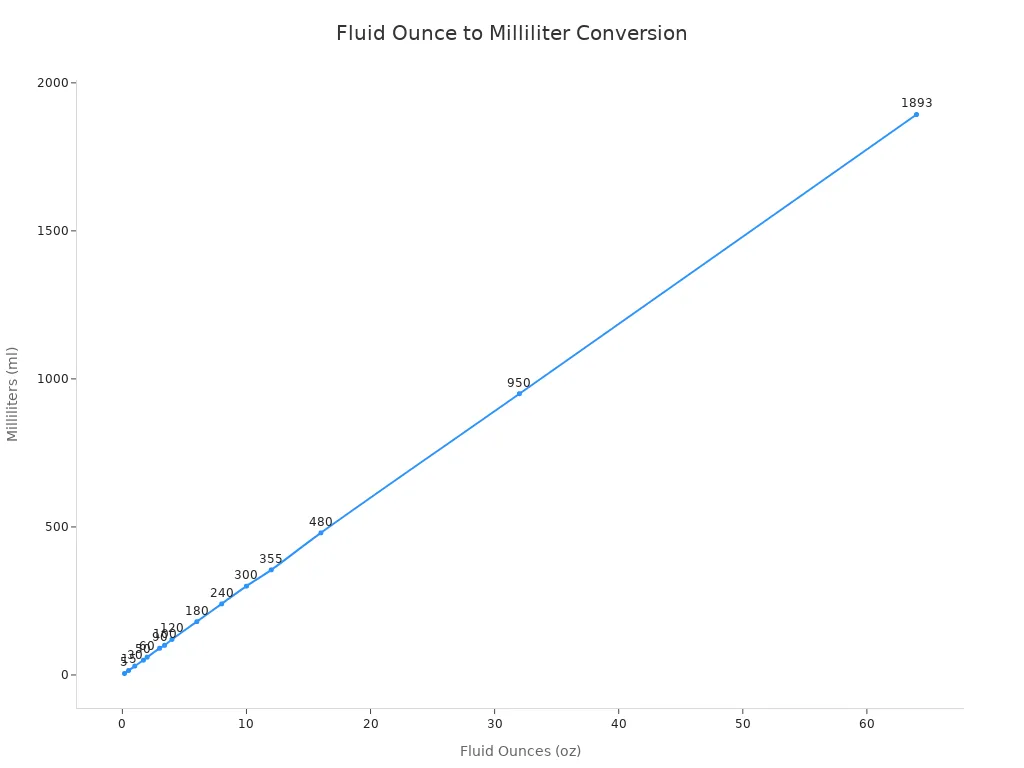
A minor error in fluid ounce to milliliter conversion can cause inventory wastage, overfilling, or underfilling. This leads to excessive expenses and potential brand damage in a highly competitive market.
Doing math properly helps you pick the best jar sizes for every single batch. You stop silly supply waste by verifying all numbers before purchasing full factory orders.
Green boxes help your cool makeup line look much better on competitive store racks. Hallpack (Heshan Packaging Products Co., Ltd.) creates top quality paper boxes for businesses around the world.
Switching over to sturdy paper cylinders upgrades the entire look of your beauty line. Choosing these earth-friendly options shields your goods while caring for our natural planet.
Hallpack Lipbalm Tubes swap out trashy plastic holders for clean eco-friendly designs. These fully plastic-free options come in super smooth push-up and twist-up paper designs.
You can order these smart paper cylinders in custom metric amounts or standard ounces. New skincare brands use these paper tubes for solid sunblocks and soothing lip balms.
Hallpack lets you adjust your paper tube sizing to match your exact fluid needs. You build custom items with their team by tweaking inside heights and outer rings.
Writing clear matching numbers on every box stops buyer confusion in foreign stores. Partner with Hallpack now and launch your newest green packaging projects today!
Different volume numbers exist when buying or shipping items across world borders. People inside America count daily liquids using the US customary measurement system. Shoppers in the United Kingdom used the British Imperial system long ago. Both methods use matching names, yet their total liquid spaces vary. Knowing these area differences helps you manage your global inventory without mix-ups.
Unit | Volume (ml) |
|---|---|
Imperial fluid ounce | 28.413 |
US customary fluid ounce | 29.573 |
American food recipes and box tags count liquid parts with customary units. People use fluid ounces to measure everyday liquid items across America. Factories build bottle filling lines around these exact local standards daily. You spot this counting method on ordinary grocery items and home supplies.
Learning local measurement choices helps you avoid silly errors during product planning. You fill every container correctly once you truly know your target market. US buyers expect familiar bottle sizes based on normal customary standards. Correct size labeling builds strong trust with all your main customers.
A single American fluid ounce measures about 29.57 milliliters of open space. You multiply your starting amount by this number to convert fast. Using this fixed standard number provides stable answers for all container projects.
This math trick provides complete control over every item you package today. You can quickly print accurate labels for global buyers using metric figures. You avoid expensive wrapping errors by applying this simple multiplier across product lines.
Great Britain designed the older Imperial system during the nineteenth century. English trade paths carried these fluid definitions to many historic regions globally. You still see fluid ounces on old recipes and classic UK designs. Many foreign markets still recognize these old counting methods nowadays.
Global commerce demands precise liquid values printed clearly on every single box. Mixing up these regional rules will confuse your international buyers fast. Studying the English system ensures your business stays accurate across foreign borders. Smart unit handling makes all your global shipping tasks much simpler.
One British Imperial fluid ounce changes into 28.413 milliliters using metric math. This total measure is slightly smaller than the standard US option. You should remember this small gap whenever sending goods to foreign shops.
Printing clear milliliter amounts on global boxes stops costly shipping mistakes fast. Double-check every single number carefully before starting full factory production runs. Precise math keeps your company safe from sending half-full containers abroad. Clear metric tags help your brand win inside tough global stores.
Switching metric values back to standard fluid ounces happens often in daily work. Foreign recipes and imported skincare products list liquid amounts in metric units. Knowing this reverse math helps you understand bottle sizes fast without any confusion. You can calculate original ounce totals easily without guesswork or complicated software tools.
Conversion formula: Fluid Ounces (fl oz) = ml × 0.033814
This basic formula gives you direct control over your liquid math every single day. You multiply metric values by 0.033814 to find standard US fluid ounces. For instance, multiplying 100 ml by 0.033814 yields 3.3814 fl oz. You can use this exact multiplier on any container in your home.
You can calculate custom volumes by dividing directly by standard math numbers. Official measurement rules show how metric values switch to customary units across world markets. You can review the basic standard conversion factors below:
US fluid ounces: metric volume divided by 29.5735
Imperial fluid ounces: metric volume divided by 28.4131
Dividing your liquid amount by 29.57 gives accurate US ounces for commercial labels. A small 5 mL sample bottle equals 0.16907 fl oz with this precise math step. Using exact numbers ensures your measurements remain reliable across global trade markets. Accurate measurements prevent costly stock errors on packaging projects and build strong customer trust.
You do not need a electronic calculator to read metric package sizes on store shelves. Quick mental tricks let you judge container sizes in a few seconds during your day. You can estimate product capacities while shopping in stores or working in your kitchen.
Checking liquid amounts becomes simple once you practice mental steps with common container sizes. You start with your total milliliters and change the number using basic division. This easy habit saves valuable time during daily tasks and helps you decide fast.
To estimate metric values in fluid ounces fast, divide your number by 30. This trick gives a close guess with an error within 1.7% of exact math. For example, 500 ml ÷ 30 gives about 16.67 oz, while exact math yields 16.91 oz.
This rounded shortcut works well for everyday choices like buying drinks or cooking simple meals. However, you should not rely on mental shortcuts for precise commercial product labeling. You keep daily kitchen tasks easy with mental guesses while saving exact math for packaging designs.
You can use the fast 30 multiplier for quick mental math during daily work. However, you need the exact 29.57 standard factor when you mix detailed liquid goods. Learning this normal unit conversion helps you track exact fluid amounts without stress.
Exact math steps play an important part when you build green packaging boxes.
Making boxes smaller reduces what you buy (less cardboard and packing filler) and what you ship (a smaller outer box size). Because many delivery companies charge fees by dimensional weight—volume ÷ 139 in most rules—cutting length, width, and height lowers billed weight and often drops your parcel into a cheaper shipping bracket.
Changing ounces (oz) to millilitres accurately saves money while protecting our natural environment.
One US fluid ounce equals exactly 29.5735 milliliters. You can round this number up to 30 for fast daily guesses.
No, they are different. One US fluid ounce equals 29.5735 milliliters, while one UK imperial fluid ounce equals 28.4131 mL. Always check your target market before you print your packaging labels.
Multiply your fluid ounce total by 30. This simple mental trick gives you a close estimate instantly. Take off two percent from your result to get better accuracy.
Accurate conversion stops inventory waste, overfilling, and underfilling. It helps you pick the right container size while keeping your label numbers correct. Precise labels build strong trust with your customers.
Yes, you can. Hallpack customizes eco-friendly paperboard lip balm tubes in exact fluid ounce and metric dimensions. You can choose smooth push-up or twist-up designs for your beauty line.
Multiply your metric volume by 0.033814 to get US fluid ounces. You can also divide your metric total by 29.57. Divide your total volume by 30 for fast mental guesses.


 English