English
 Views: 0 Author: Site Editor Publish Time: 2026-02-10 Origin: Site


Packaging is more than just a container; it's the first tangible interaction a customer has with your product. In the highly competitive food industry, that interaction needs to communicate safety, quality, and sustainability instantly. As consumer preferences shift toward eco-friendly options, food grade paper tube packaging has emerged as a top choice for brands selling everything from loose-leaf tea and snacks to protein powders and spices.
For businesses looking to scale, sourcing these materials often leads to one destination: China. China food grade paper tube suppliers have become the backbone of the global packaging supply chain, offering Original Equipment Manufacturer (OEM) and Original Design Manufacturer (ODM) services that allow brands to create fully customized, safe, and cost-effective packaging solutions.
This guide explores why partnering with Chinese factories for paper tube packaging is a strategic move, how OEM/ODM processes work, and what you should look for to ensure your packaging meets strict food safety standards.
Plastic is out; paper is in. This isn't just a trend—it's a global movement driven by environmental regulations and consumer demand. Food grade paper tubes offer a robust, biodegradable alternative to traditional plastic canisters and metal tins.
Beyond sustainability, these tubes offer exceptional versatility. They can be engineered to be airtight, moisture-proof, and grease-resistant, ensuring that food products stay fresh on the shelf. Whether you are packaging delicate macarons or granular supplements, the structural integrity of a high-quality paper tube provides excellent protection during shipping and retail display.
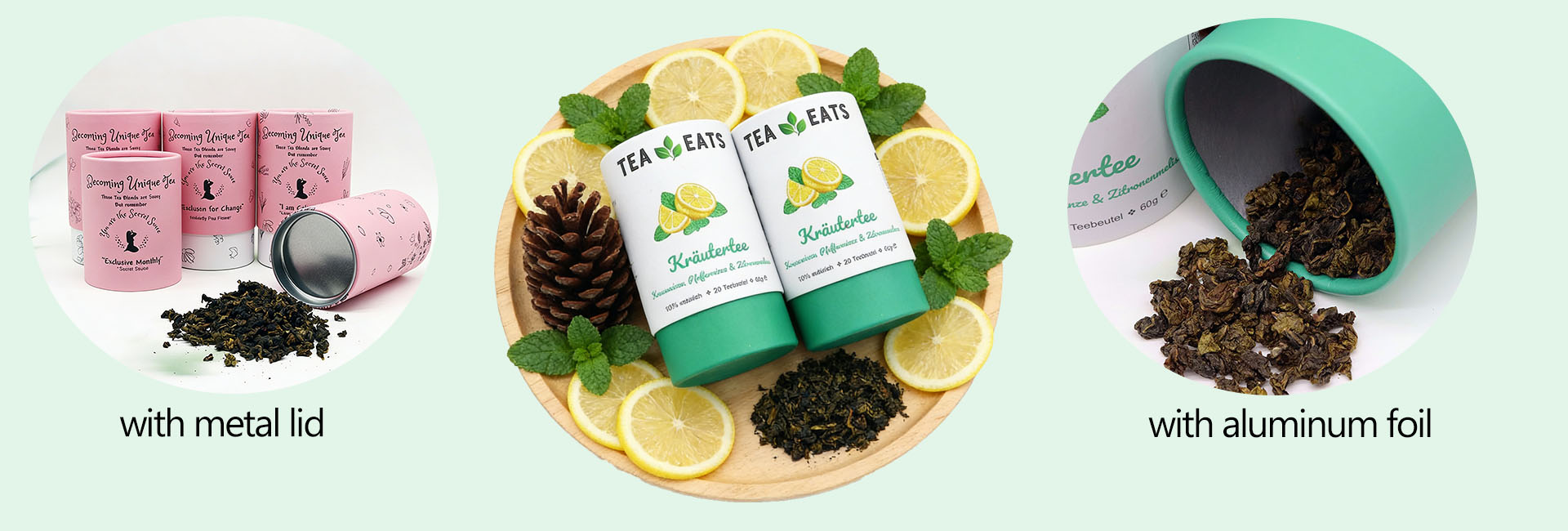
When sourcing packaging, you will typically encounter two primary service models: OEM and ODM. Understanding the difference is crucial for selecting the right partner for your business needs.
In an OEM arrangement, you provide the specific design and specifications, and the factory manufactures the product exactly to your requirements. This is ideal for brands that have their own design team and specific branding guidelines. You retain full creative control, while the factory provides the machinery and labor to bring your vision to life.
ODM services are perfect for businesses that have a product concept but lack a finalized design. In this model, the factory provides existing templates or design expertise. You might choose a standard tube size and style from their catalog and simply apply your logo and branding. This route is often faster and requires less R&D investment from your side.
Feature | OEM (Custom Manufacturing) | ODM (Private Labeling) |
|---|---|---|
Design Ownership | You own the design rights. | The factory often retains the design rights. |
Customization | 100% customizable (size, shape, material). | Limited to branding and minor tweaks. |
Development Time | Longer (prototyping required). | Shorter (ready-made templates). |
Cost | Higher initial setup costs (molds). | Lower initial costs. |
Best For | Unique, proprietary packaging designs. | Fast launches and testing new markets. |
China remains the world's manufacturing hub for a reason. When it comes to paper packaging, Chinese factories offer a distinct combination of scale, technology, and expertise.
The most obvious advantage is cost. Chinese manufacturers benefit from established supply chains and economies of scale. This allows them to offer competitive pricing on unit costs, especially for high-volume orders. However, low cost doesn't mean low quality. leading manufacturers invest heavily in state-of-the-art machinery to ensure precision cutting, rolling, and printing.
Do you need a foil lining to keep coffee fresh? A metal lid for a premium feel? Or perhaps a shaker top for spices? China food grade paper tube suppliers are incredibly adaptable. They can integrate various materials—such as aluminum linings, metal plugs, or plastic windows—into the paper tube structure to meet specific barrier requirements.
From raw paper pulp sourcing to printing and logistics, the ecosystem in China is fully integrated. This streamlines the production process, reducing lead times and ensuring that all components of your food grade paper tube packaging—from the tube body to the label printing—are handled efficiently under one roof.
Not all paper tubes are created equal. When packaging consumable goods, safety is non-negotiable. "Food grade" means that the materials used—including the paper, the glue, the ink, and the inner lining—are safe for direct contact with food.
When vetting suppliers, verify that their products are manufactured in a clean-room environment and comply with international safety standards. The inner lining is particularly critical; it typically consists of an aluminum foil layer or a food-safe PE (polyethylene) coating that acts as a barrier against moisture, oxygen, and contamination.
FDA Compliance: Essential for the US market.
LFGB: A strict standard for the European market (specifically Germany).
ISO 9001: Ensures quality management systems are in place.
FSC (Forest Stewardship Council): Indicates that the paper comes from responsibly managed forests, crucial for sustainability claims.

The versatility of paper tube packaging allows it to serve a wide range of food sectors. Here are a few popular applications:
Nuts, dried fruits, and candies require protection from air to maintain crunch and flavor. Foil-lined paper tubes with airtight metal or peel-off lids provide the necessary seal while offering a premium look on the shelf.
Light and moisture are the enemies of fresh tea and coffee. Opaque, multi-layered paper tubes provide excellent barrier protection. Many brands opt for custom sizes to fit specific weights, from sample packs to bulk storage.
Shaker tubes are a specialized form of paper packaging. ODM factories often have existing molds for shaker tops, allowing spice brands to launch quickly with a functional, eco-friendly container.
Protein powders and collagen supplements have traditionally been sold in bulky plastic tubs. Brands are now switching to reinforced paper tubes to reduce their plastic footprint and appeal to eco-conscious health consumers.
Finding the right partner involves more than just a Google search. It requires due diligence.
Request Samples: Never place a bulk order without seeing a physical sample. Check the sturdiness of the tube, the quality of the printing, and the seal of the lid.
Verify Production Capabilities: Ensure the factory has the capacity to handle your order volume and the specific machinery required for your design (e.g., hot stamping, embossing, or UV coating).
Communication: A reliable supplier will ask detailed questions about your product to recommend the right barrier materials. If they aren't asking about what's going inside the tube, proceed with caution.
1
As businesses strive to meet ESG (Environmental, Social, and Governance) goals, the shift toward sustainable packaging is accelerating. Food grade paper tube packaging sits at the intersection of functionality and responsibility. By leveraging the expertise of China food grade paper tube suppliers, brands can access world-class OEM and ODM services to create packaging that protects their product and the planet.
Whether you are launching a new superfood brand or redesigning your tea canisters, the right manufacturing partner can help you deliver a premium unboxing experience that customers remember.