English
 Views: 0 Author: Site Editor Publish Time: 2025-12-12 Origin: Site


Walk down the pet food aisle of any supermarket, and you are likely greeted by a sea of plastic. Shiny, crinkly, multi-layered plastic pouches and heavy bags dominate the shelves. While these traditional packages have served a functional purpose for decades, they come with a heavy environmental price tag. Most are non-recyclable, destined to sit in landfills for centuries.
But a shift is happening. As pet owners become more environmentally conscious, they aren't just scrutinizing the ingredients in their dog's bowl; they are looking at the package it comes in. Enter paper tube packaging for pet food. This innovative solution is rapidly gaining traction among premium brands, offering a compelling mix of eco-friendliness, functional durability, and high-end shelf appeal.
For brands looking to stand out in a crowded market, making the switch to paper tubes isn't just a nod to sustainability—it's a strategic branding move. This packaging style says that the product inside is premium, thoughtful, and modern. Let's explore why this cylinder-shaped revolution is changing the way we package treats and kibble.
Paper tube packaging for pet food offers a breath of fresh air. Constructed primarily from recycled cardboard and paperboard, these tubes are inherently more circular. When designed correctly, they can be fully recyclable or even biodegradable.
By moving away from virgin plastics and opting for renewable paper resources, brands can significantly lower their carbon footprint. For the eco-conscious consumer—a demographic that overlaps significantly with pet owners—this is a major selling point. It transforms a simple purchase of dog treats into an act of environmental responsibility.
One of the biggest misconceptions about eco-friendly packaging is that it looks "rustic" or low-quality. Paper tubes shatter this myth. In fact, the cylindrical shape offers a unique aesthetic that immediately signals "premium" to shoppers.
Unlike flexible pouches that wrinkle and distort logos, a rigid paper tube provides a smooth, consistent surface for branding. The 360-degree design allows for creative storytelling. Brands can use the continuous space to create wrap-around graphics that catch the eye from every angle.
The material itself is versatile. You can opt for a natural kraft paper look to emphasize organic ingredients and earthiness. Alternatively, high-quality printing techniques allow for vibrant colors, gold foil stamping, and spot UV finishes that scream luxury. When a customer picks up a sturdy, beautifully designed paper tube, the tactile experience is far superior to grabbing a flimsy plastic bag. It feels substantial and valuable.
Retail shelves are crowded. A cylindrical tube naturally disrupts the visual monotony of flat-bottomed bags and boxes. They stack neatly, create interesting visual patterns, and draw the eye simply by being different. For emerging brands trying to gain a foothold against industry giants, this visual differentiation is crucial.
Style is important, but packaging must perform. Pet food, specifically, has unique requirements. It often has high oil content, strong odors, and needs to be kept dry to prevent spoilage. Can paper really handle the job?
The short answer is yes. Modern paper tube packaging for pet food is engineered for performance.
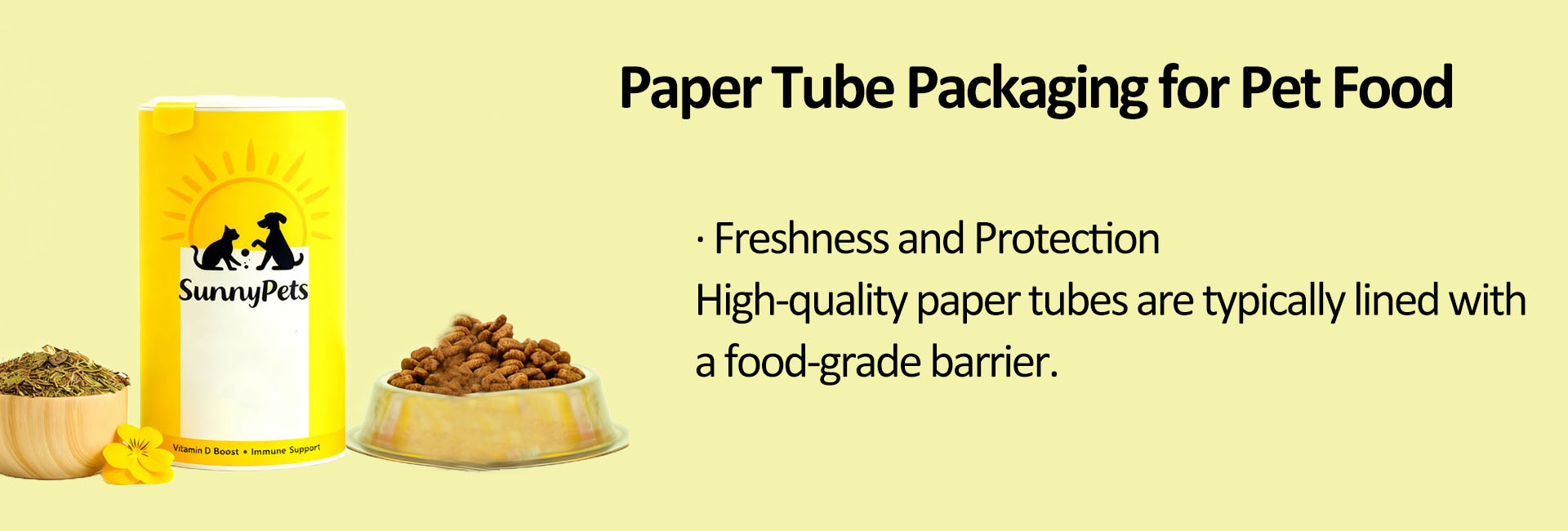
High-quality paper tubes are typically lined with a food-grade barrier. This can be a thin layer of recyclable foil or a specialized grease-proof paper lining. This barrier is essential for maintaining the freshness of the product. It prevents natural oils from the pet food from seeping into the cardboard (which would look unsightly) and keeps oxygen and moisture out. This ensures the treats or kibble inside stay crunchy and nutritious for the duration of their shelf life.
If you have ever torn a plastic kibble bag down the side and struggled to close it again, you know the frustration of traditional packaging. Paper tubes solve this with rigid, resealable lids.
These tubes often come with metal or high-density paper caps that fit snugly. This makes them incredibly user-friendly. Pet owners can easily open the container, pour out a serving, and seal it back up tightly to lock in odors and freshness. The rigid structure also means the packaging doesn't flop over in the pantry. It stands upright, taking up less footprint and looking organized.
While huge 40-pound bags of dog food might not be the immediate target for paper tubes (though large drums do exist), this packaging format is perfect for specific segments of the market.
Gourmet dog biscuits, freeze-dried liver treats, and catnip snaps are high-value items. Packaging them in a paper tube elevates the perceived value, justifying a higher price point. It turns a bag of treats into a gift-worthy item.
Powdered supplements, hip and joint chews, and meal toppers are often sold in plastic jars. Paper tubes offer a direct, sustainable replacement for these rigid plastic containers. They provide the same protection and ease of access but with much less plastic waste.
The cylindrical shape is excellent for pouring, making it an ideal choice for bird seed mixes or food for hamsters and guinea pigs. The resealable lid is particularly handy here, preventing spills that are common with flimsy boxes.
If you are a brand manager considering the switch, not all tubes are created equal. When sourcing paper tube packaging for pet food, specific criteria ensure you get the best of both style and function.
Food-Grade Certification: This is non-negotiable. Ensure the manufacturer uses FDA-approved materials for any surface that touches the food.
Barrier Quality: Ask about the liner options. If your product is oily (like salmon jerky), you need a robust grease-proof liner.
Lid Options: Consider the end-of-life for the packaging. A metal lid is recyclable but needs to be separated. A rolled paper edge lid might make the entire package recyclable in a single bin.
Durability Testing: Request samples and test them. Drop them, ship them, and store them in humid conditions to ensure they hold up.
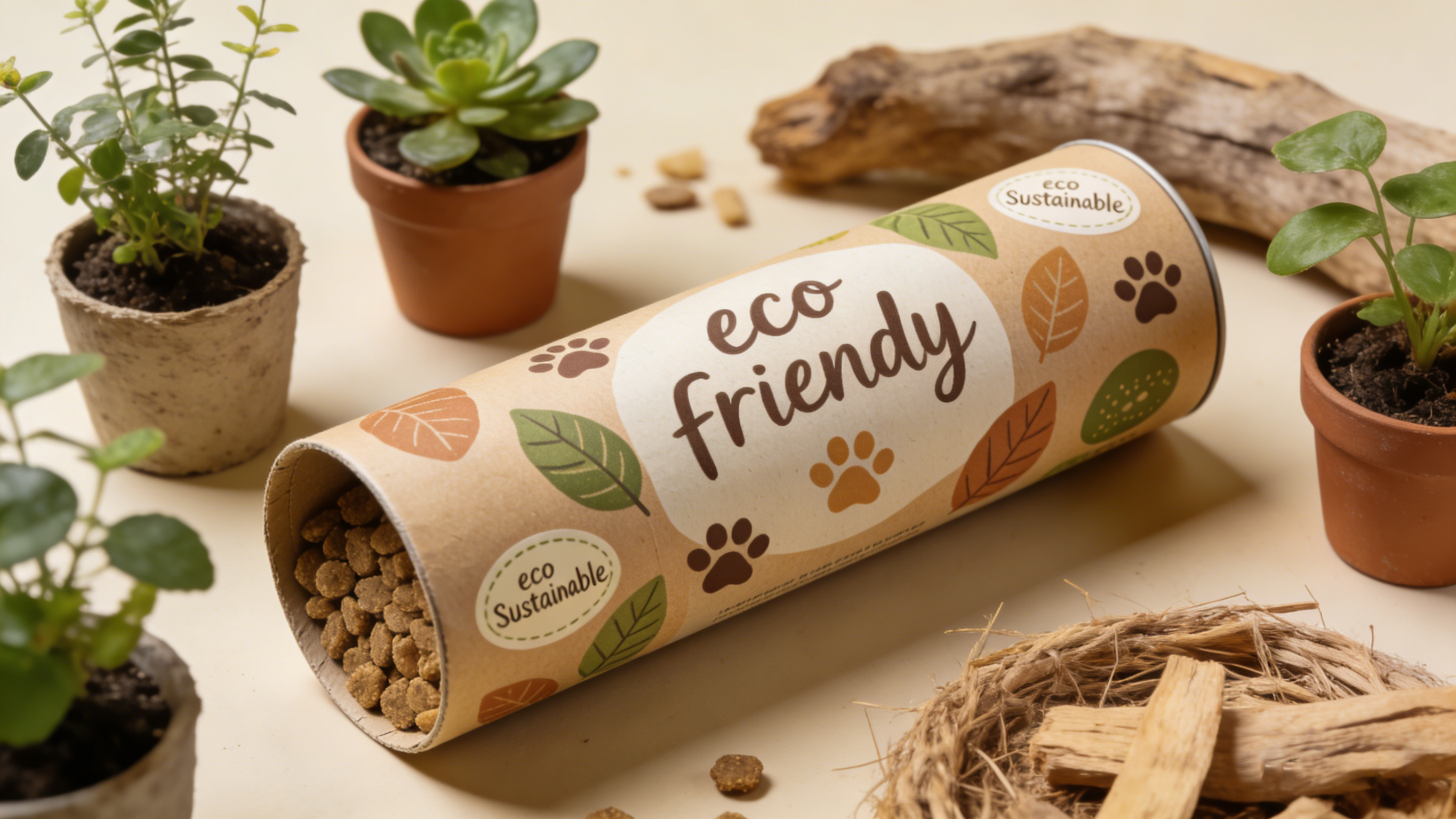
The transition to sustainable packaging is gaining momentum, driven by consumer demand and regulatory pressure. Pet owners view their animals as family members, and they want products that align with their values—health, quality, and responsibility.
Plastic is losing its appeal. It represents a "take-make-waste" economy that fewer consumers are willing to support. By adopting paper tube packaging, brands can position themselves as leaders in the sustainability movement. It shows a commitment to the planet that resonates deeply with modern shoppers.
Furthermore, as technology improves, the barriers inside these tubes are becoming increasingly eco-friendly, moving towards water-based coatings that eliminate the need for foil entirely. This innovation will eventually make paper tubes the gold standard for circular packaging in the pet industry.
Choosing the right packaging is a balancing act between protecting the product, alluring the customer, and protecting the earth. Paper tube packaging for pet food manages to hit all three marks. It offers the durability needed to keep food fresh, the aesthetic appeal to win on the shelf, and the sustainability credentials to win hearts.
For brands, the message is clear: the future isn't plastic. It's paper. Embracing this change now can build lasting loyalty with customers who are eager to reduce their environmental paw-print, one treat at a time.