English
 Views: 0 Author: Site Editor Publish Time: 2026-01-22 Origin: Site


Walking down a retail aisle is a sensory overload. Hundreds of products compete for attention, screaming for a consumer to pick them up. In this crowded landscape, standard square boxes often blend into a wall of visual white noise. Brands are constantly hunting for a way to disrupt that pattern, and recently, many have turned to a geometric solution that has been around for decades but is currently seeing a massive resurgence: the cylinder.
But aesthetics aren't the only driver. As environmental concerns move from a niche interest to a global imperative, companies are rethinking their materials. Plastic is out; biodegradable is in. This shift has placed paper tube packaging in the spotlight.
If you are launching a new product or rebranding an existing one, you might be asking yourself: is this packaging format actually practical? Does it offer enough protection? And is it cost-effective? This guide explores the functional, environmental, and aesthetic realities of switching to paper tubes to help you decide if they are the right fit for your business.
At its core, a paper tube is a cylindrical container made from layers of kraft paper wound together to create a sturdy wall. While the concept sounds simple, modern manufacturing has turned this basic structure into a highly sophisticated packaging vessel.
These aren't just mailing tubes anymore. Today, manufacturers like Hallpack engineer these tubes with varying wall thicknesses, distinct liners for food safety, and premium exterior finishes. They can be utilized for everything from loose-leaf tea and protein powders to high-end perfumes and lip balms.
The construction process typically involves spiraling plies of paper glued together, then cut to precise lengths. This method creates a container that is surprisingly rigid. Unlike a folding carton that can be easily crushed, the arch structure of a cylinder provides significant vertical and radial strength, making it an excellent protector for delicate items.
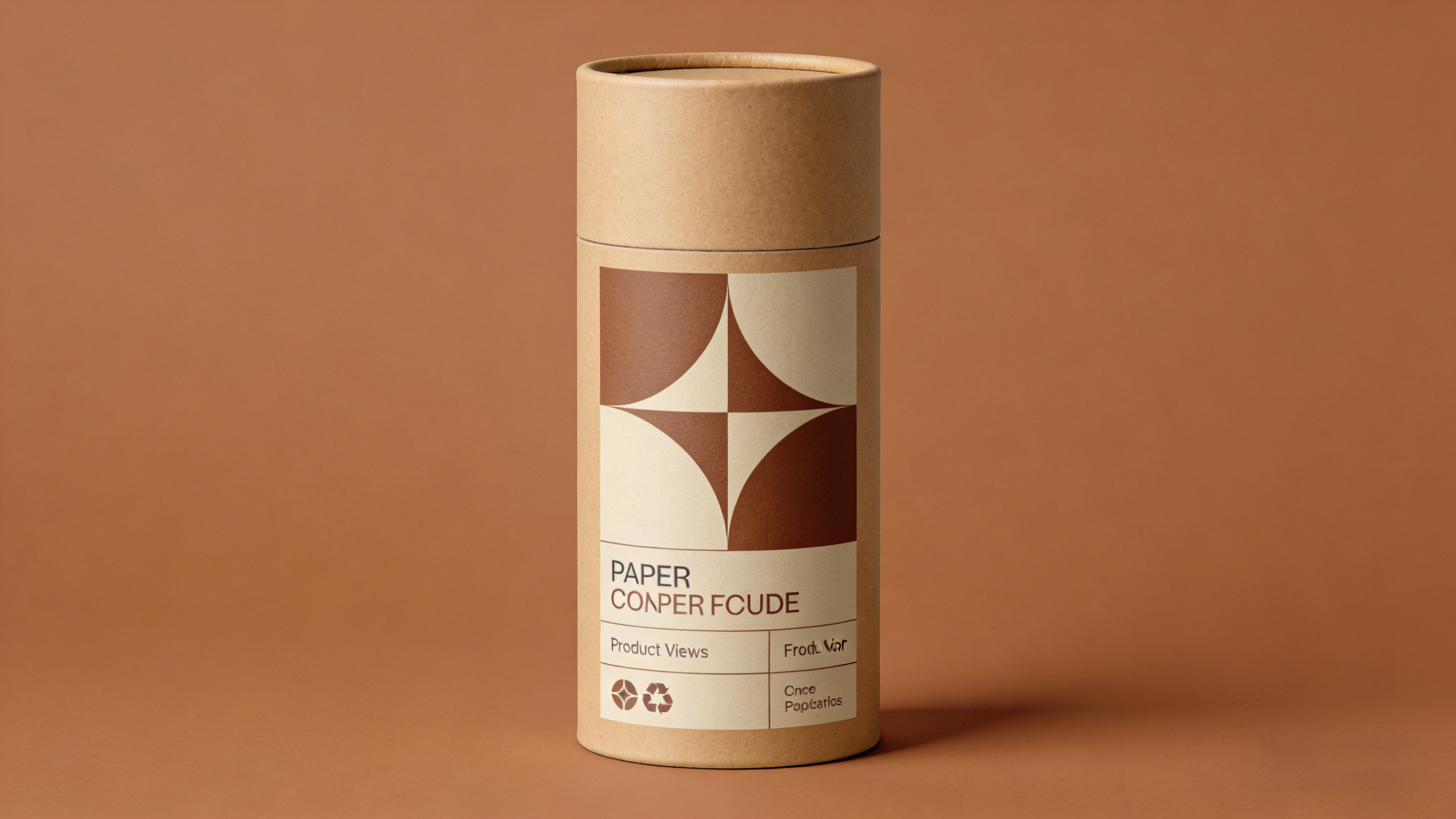
To understand if this route is right for you, it helps to compare it directly against the industry standard: the rectangular folding carton.
Feature | Paper Tube Packaging | Traditional Folding Cartons |
|---|---|---|
Shape & Shelf Appeal | Cylindrical; stands out visually and offers a premium, tactile feel. | Rectangular; common and easily stackable, but blends in with competitors. |
Durability | High crush resistance due to the cylindrical structure. Excellent for shipping glass bottles. | Moderate protection; corners can be dented easily during shipping. |
Sustainability | Often 100% recyclable and biodegradable. Easier for consumers to recycle. | Usually recyclable, but plastic windows or lamination can complicate the process. |
Storage | Requires more space to store empty units as they cannot be folded flat. | Can be shipped and stored flat, saving warehouse space. |
Cost | Generally higher per unit due to the manufacturing process and volume. | Lower cost per unit, especially at high volumes. |
Greenwashing is rampant in the retail world, so it is vital to scrutinize sustainability claims. Fortunately, paper tube packaging generally holds up to the hype.
Most high-quality tubes are made from recycled pulp or virgin paper sourced from managed forests (FSC-certified). Because the primary material is paper, the end-user can usually toss the entire package into their curbside recycling bin without having to separate components.
Furthermore, innovations in adhesive technology mean that even the glues used to bind the paper layers are becoming more environmentally friendly. For brands looking to eliminate single-use plastics, shifting to a paper tube offers a tangible reduction in carbon footprint that customers appreciate.
One of the biggest misconceptions is that moving to a tube limits your branding real estate. In reality, the 360-degree canvas offers unique opportunities for paper tube packaging design.
Because there are no corners or edges, graphics can wrap continuously around the product. This encourages the consumer to turn the package in their hands, increasing engagement time with the product before they even open it.
Here are a few ways design translates to the tube format:
Premium Finishes: Tubes accept hot foil stamping, embossing, and spot UV coating exceptionally well. This creates a luxury feel often associated with high-end cosmetics or spirits.
Opening Mechanisms: You aren't limited to a simple lid. You can choose from rolled edges, metal lids, shaker tops (for spices), or even push-up bottoms for products like deodorants or solid perfumes.
Window Cutouts: Just like boxes, tubes can feature die-cut windows to reveal the product inside, combining protection with visibility.
1
While you can put almost anything in a tube, certain sectors see a higher return on investment when switching to this format.
The beauty industry is perhaps the largest adopter. Essential oil bottles, perfume vials, and glass skincare jars are fragile. A thick-walled paper tube provides a shock-absorbing layer that protects the glass during shipping, reducing breakage rates. Additionally, "push-up" tubes have become the gold standard for eco-conscious lip balms and deodorants, eliminating the need for plastic twist mechanisms.
Paper tube packaging is ideal for dry goods. With the addition of a food-grade aluminum or PE liner, these tubes become airtight and moisture-resistant. This makes them perfect for:
Coffee beans and loose-leaf tea
Spices and salts
Snack foods and confectionery
Protein powders
Note: For wet foods, specialized linings are required, and rigorous testing is recommended.
T-shirts, socks, and accessories rolled into a tube offer a far superior unboxing experience compared to a plastic poly mailer. It turns a standard delivery into a gift-like event.
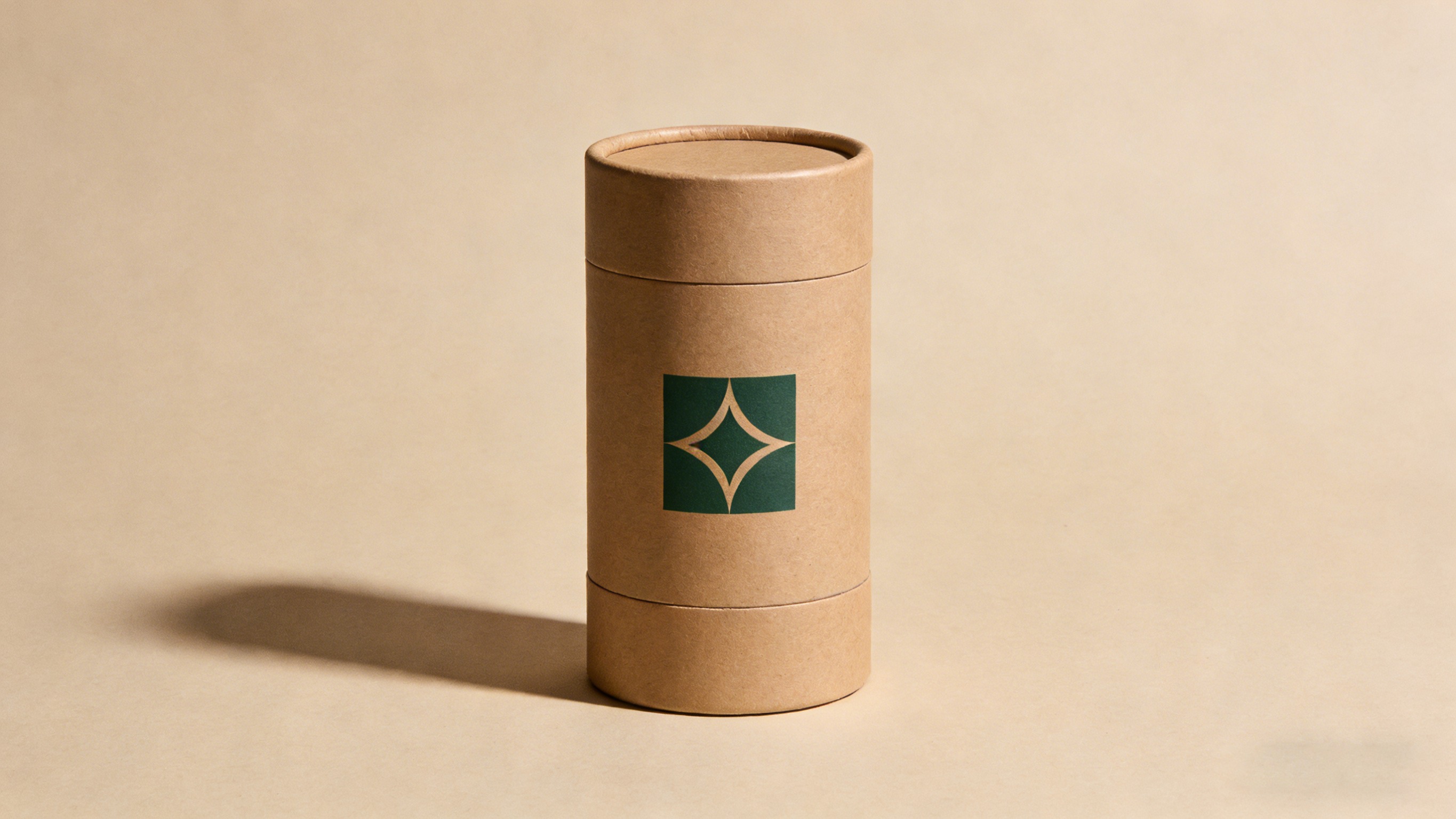
To provide a balanced view, it is important to acknowledge the logistical challenges. The primary "con" is storage space. unlike folding cartons, which arrive flat on a pallet, paper tubes are rigid. They ship fully formed (nesting smaller tubes inside larger ones can mitigate this, but not always). This means you need more warehouse space to store your packaging inventory.
Secondly, the cost is typically higher than a standard folding box. However, many brands find that the increased perceived value allows them to charge a slightly higher price point for the product, offsetting the packaging cost.
So, are paper tubes a good packaging option?
If your priority is the cheapest possible packaging per unit, a standard folding carton or flexible pouch is likely your answer. However, if your goal is to offer a premium unboxing experience, protect fragile items without plastic bubble wrap, and signal a strong commitment to sustainability, then the answer is a definitive yes.
Paper tube packaging offers a blend of durability and design elegance that is hard to match. It disrupts the visual monotony of the retail shelf and invites the customer to touch, turn, and explore your product. In an era where brand differentiation is everything, the cylinder might just be the edge you need.