English
 Views: 0 Author: Site Editor Publish Time: 2026-01-22 Origin: Site


The ritual of tea drinking is centuries old, but the business of selling it is evolving rapidly. For tea merchants, the challenge has always been twofold: how do you preserve the delicate, volatile oils of loose-leaf tea while simultaneously catching the eye of a consumer in a crowded aisle? The answer increasingly points toward one solution.
Tea tube packaging has moved beyond a niche trend to become a staple for premium brands. It is no longer just about holding the product; it is about elevating the entire customer experience. When a customer picks up a sturdy, beautifully printed cylinder, they perceive value before they even smell the aroma of the tea leaves.
However, the shift toward cylindrical packaging isn't purely aesthetic. It is a calculated decision involving supply chain logistics, sustainability goals, and rigorous food safety standards. Whether you are launching a matcha startup or rebranding an established Earl Grey line, understanding the mechanics and benefits of the paper tube is essential.
Below, we answer the most critical questions regarding this packaging format and why it might be the missing ingredient in your brand’s success.
Tea leaves are notoriously temperamental. They degrade quickly when exposed to four enemies: moisture, light, oxygen, and strong odors. If your packaging fails to block these elements, the flavor profile of your product will flatten within weeks of hitting the shelf.
Tea paper tube solutions are engineered specifically to combat these threats. Unlike simple cardboard boxes or thin pouches, high-quality composite tubes are often lined with food-grade aluminum foil or specialized barrier coatings. This internal layer acts as a fortress, creating an airtight environment that locks in freshness.
Furthermore, the structural integrity of a paper tube prevents the physical crushing of delicate leaves. Tea bags or soft pouches can be compressed during shipping, turning premium whole-leaf tea into dust. The rigid walls of a tube ensure that the consumer receives the product exactly as the tea master intended.
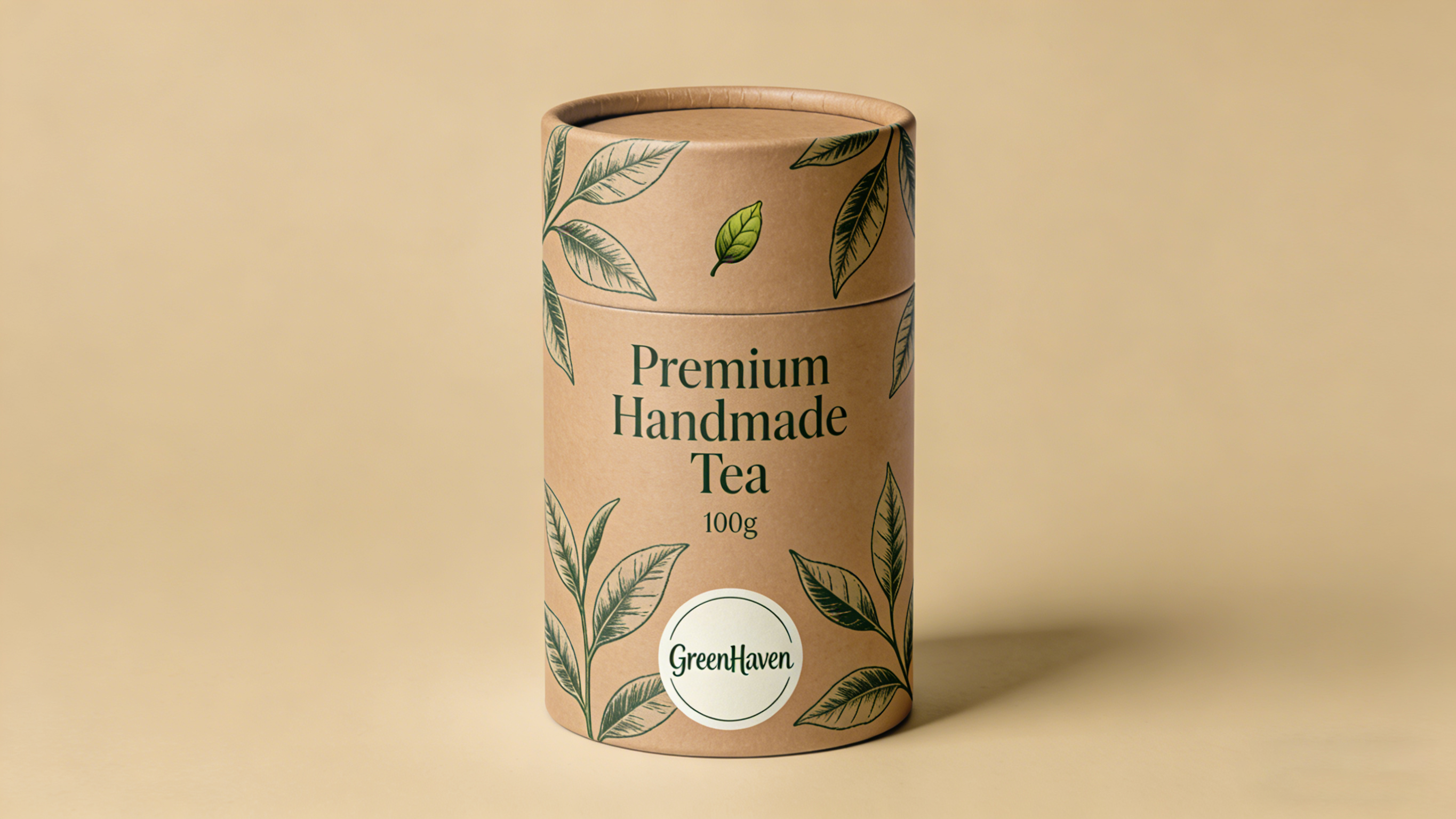
Sustainability is a non-negotiable factor for modern consumers. Plastic packaging is increasingly viewed with skepticism, and while tin is recyclable, its production has a high carbon footprint.
Paper tubes offer a compelling middle ground. They are primarily made from renewable resources—wood pulp. Leading manufacturers, including industry veterans like Hallpack, utilize FSC-certified materials, ensuring that the paper comes from responsibly managed forests.
Because these tubes are biodegradable and often fully recyclable (depending on the lining used), they align perfectly with the "green" values held by many tea enthusiasts. By switching to paper, brands communicate a commitment to the planet without saying a word.
To make an informed decision, you need to see how tea tube packaging compares to the traditional methods of pouches and tin cans.
Feature | Tea Paper Tube | Plastic/Foil Pouch | Metal Tin Can |
|---|---|---|---|
Sustainability | High (Renewable & Biodegradable) | Low (Often multi-layer plastic) | Medium (Recyclable but high energy cost) |
Protection | Excellent (Rigid & Lined) | Good (Flexible, prone to crushing) | Excellent (Rigid & Airtight) |
Cost | Moderate | Low | High |
Branding Area | 360-degree seamless print | Limited by creases/folds | Embossing/Printing available |
Consumer Perception | Premium & Eco-friendly | Economy/Refill | Traditional/Luxury |
Shipping Weight | Lightweight | Very Lightweight | Heavy |
As the table illustrates, the paper tube offers the rigidity and luxury feel of a tin can but with a sustainability profile closer to—or better than—lighter packaging options.
One of the distinct advantages of tea tube packaging is the canvas it provides for designers. A square box has edges and corners that break up a design; a cylinder offers a continuous, 360-degree visual flow.
Brands can utilize a variety of printing techniques to stand out:
Hot Foil Stamping: Adds a metallic gold or silver sheen that suggests luxury.
Spot UV: Creates a glossy contrast against a matte background, highlighting logos or patterns.
Embossing/Debossing: Adds tactile texture that encourages the customer to touch and hold the product.
Beyond the print, the physical structure can be customized. You can choose from telescope lids, metal plugs, or shaker tops for matcha powders. This versatility allows the packaging to be tailored precisely to the user experience you want to create.
Shipping air and heavy materials destroys profit margins. Metal tins are heavy, and glass jars are fragile and heavy. Tea paper tubes are lightweight yet incredibly durable.
Their high strength-to-weight ratio means you can ship more units per pallet compared to glass or metal, reducing fuel consumption and freight costs. Additionally, because they are resistant to crushing, they require less secondary protective packaging (like bubble wrap) than glass jars, further reducing waste and cost.
We live in an era of social commerce. The "unboxing" moment is a marketing touchpoint. When a customer slides the lid off a tea paper tube, there is a satisfying friction and a "pop" of air escaping—a sensory cue of freshness and quality.
This tactile interaction builds anticipation. It feels substantial in the hand, unlike a flimsy cardboard box. For premium tea brands, this psychological association with quality justifies a higher price point and encourages repeat purchases.
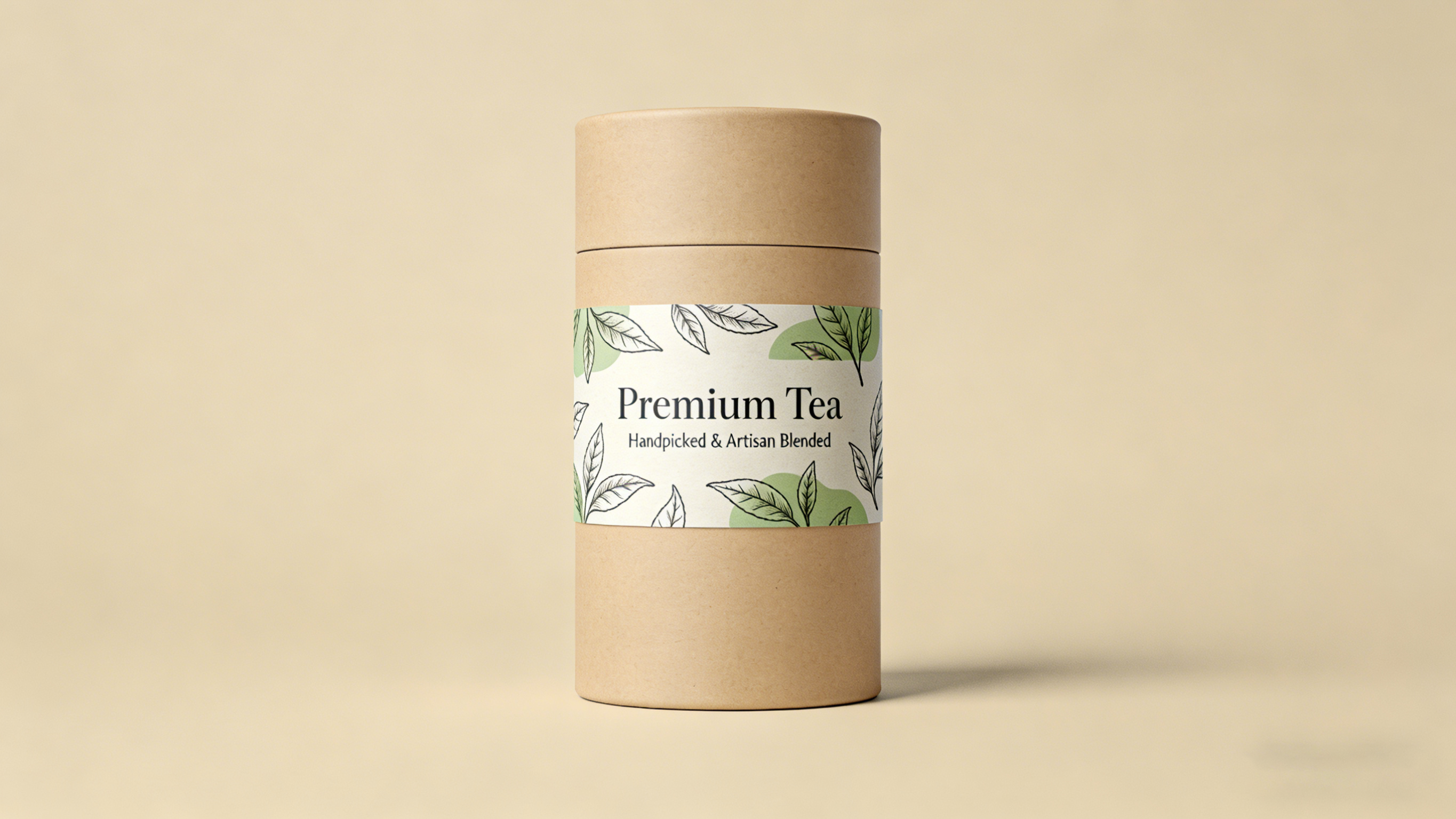
Not all tubes are created equal. When sourcing tea tube packaging, it is vital to partner with a manufacturer that understands food safety and precision engineering. You need a partner who can guarantee food-grade linings and consistent sizing for automated filling lines.
Look for manufacturers with established expertise in OEM and ODM services. Companies like Hallpack, for example, have decades of experience and offer "one-stop" solutions, handling everything from the raw material sourcing to the final printing and sealing. Ensuring your supplier has the right certifications (like FSC) and production capabilities is the final step in securing your brand's reputation.
The packaging you choose is the silent salesman on the shelf. It tells your customer whether your product is fresh, whether your brand cares about the earth, and whether the tea inside is worth the price.
Tea tube packaging answers these needs with elegance and efficiency. By combining robust protection with eco-friendly materials and premium aesthetics, paper tubes offer a competitive edge that plastic pouches simply cannot match. If you are ready to upgrade your product presentation, it is time to explore the possibilities of the paper tube.
For those looking to explore custom solutions, reaching out to a specialized manufacturer is the best first step to seeing how your brand can look on the shelf.