English
 Views: 0 Author: Site Editor Publish Time: 2025-12-10 Origin: Site


In the crowded world of snacks, your product's packaging is its first handshake with a potential customer. For biscuits and cookies, a cylindrical container, or tube, is a classic choice. It's practical, protective, and familiar. But how do you take that standard cookies tube packaging and make it stand out on the shelf? The answer lies in enhancing its visual effect.
A compelling design does more than just look good; it communicates your brand's story, hints at the deliciousness inside, and persuades a busy shopper to choose your product over the dozens of others available. This guide will explore practical strategies and creative techniques to transform your cookies tube packaging from simple to sensational, ensuring it grabs attention and drives sales. We'll cover everything from color psychology and material choices to innovative printing techniques that can give your brand a decisive edge.
Before diving into specific visual enhancements, it’s crucial to understand the core principles that make packaging effective. Great design isn't just about aesthetics; it's a strategic blend of art and marketing.
First, who are you? Is your brand playful and fun, targeting families and children? Or is it sophisticated and artisanal, aimed at gourmet food lovers? Your packaging must reflect this identity. A cartoon mascot might work for a kids' cookie, but it would feel out of place on a premium, dark chocolate biscuit.
Similarly, understanding your target audience is non-negotiable. What colors, fonts, and imagery resonate with them? Young consumers might be drawn to bold, trendy designs and sustainable materials, while older shoppers may prefer classic, elegant aesthetics that convey trust and quality. Market research, A/B testing, and customer personas are invaluable tools in this process.
A common mistake is overloading packaging with too much information. A cluttered design can confuse consumers and dilute your message. The best packaging communicates its contents and brand promise almost instantly. A shopper should be able to glance at your cookies tube packaging and understand three things within seconds:
What is it? (Cookies, biscuits, wafers, etc.)
What brand is it? (Your logo)
Why should I buy it? (The key selling point—e.g., "Gluten-Free," "New Flavor," "Real Chocolate Chips")
Embrace white space (or negative space) to give your design elements room to breathe. This creates a cleaner, more professional look that is easier for the eye to process.
With the fundamentals in place, you can start exploring specific techniques to make your cookies tube packaging visually appealing.
Color is a powerful psychological tool. It can evoke emotions, trigger memories, and influence purchasing decisions.
Warm Colors (Reds, Oranges, Yellows): These colors are energetic and often associated with appetite and excitement. Red can create a sense of urgency, while yellow is cheerful and optimistic.
Cool Colors (Blues, Greens, Purples): Blue often conveys trust, reliability, and calm. Green is strongly linked to nature, health, and freshness, making it a great choice for organic or all-natural products. Purple can suggest luxury and indulgence.
Neutrals (Black, White, Brown): Black exudes sophistication and luxury. White signifies simplicity, cleanliness, and modernity. Brown is earthy and wholesome, often used for baked goods to evoke a homemade feel.
Imagery is just as important. High-quality photography of your cookies—showing their texture, ingredients, and perhaps someone enjoying them—can be incredibly persuasive. Illustrations offer a different avenue, allowing for more brand personality, whether it's through whimsical drawings or elegant, abstract patterns.
The fonts you choose say a lot about your brand. A script font can feel elegant and personal, a bold sans-serif is modern and direct, and a classic serif font can convey tradition and reliability.
Readability is paramount. Ensure your font choice and size are legible from a typical viewing distance in a store. Use a hierarchy of text: your brand name and product type should be the most prominent, followed by flavor details, and then smaller text for nutritional information and ingredients.
The tactile experience of your packaging can be as influential as its visual design. The material of the tube itself sends a message. A sturdy, thick cardboard tube feels more premium than a thin, flimsy one. Consider using materials with unique textures or a visible grain.
Special printing finishes can elevate the design significantly:
Matte vs. Gloss: A matte finish has a modern, understated elegance, while a gloss finish is shiny, eye-catching, and can make colors appear more vibrant. You can even combine them, using a spot gloss to highlight specific elements like your logo or an image of the cookie.
Embossing and Debossing: Embossing raises parts of the design, while debossing presses them in. This creates a three-dimensional, tactile effect that adds a touch of luxury and encourages physical interaction with the package. Imagine your brand's logo gently raised from the surface.
Foil Stamping: Applying metallic foil (often gold, silver, or copper) to certain areas of the design adds a premium, eye-catching shimmer. This is perfect for highlighting your brand name or signaling a special edition product.
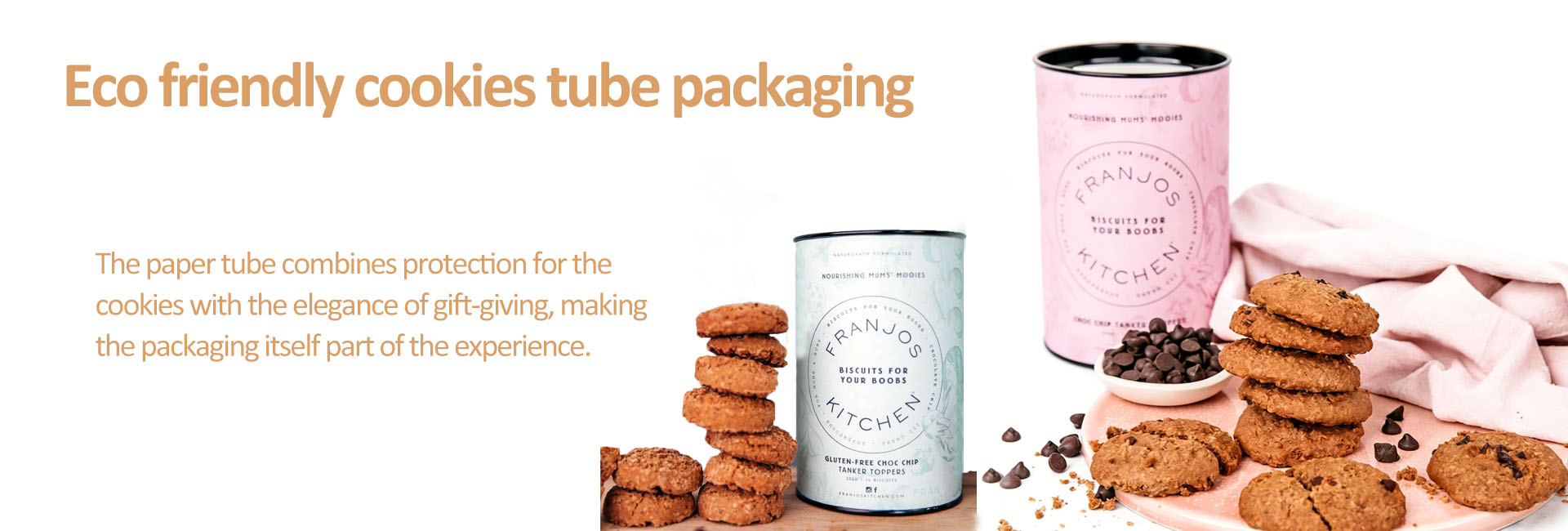
While the classic cylinder is standard for cookies tube packaging, small modifications to the structure can make a big difference.
Incorporating a small, die-cut window into your packaging can be a game-changer. It allows consumers to see the actual product, which builds trust and whets their appetite. The shape of the window can even be part of the design—perhaps shaped like a cookie or your brand's logo.
How the tube opens and closes is part of the user experience. A standard plastic lid is functional, but what about a custom-molded metal lid for a premium feel? Or a resealable top that "clicks" shut, audibly signaling freshness? These details might seem small, but they contribute to the overall perception of quality. Consider eco-friendly options like a cork lid or a compostable seal to appeal to environmentally conscious consumers.
Think beyond the initial purchase. Can your cookies tube packaging have a second life? A beautifully designed tube might be reused by the customer for storing pens, pasta, or other household items. This extends the life of your branding in their home.
You could also incorporate interactive elements, like a QR code that links to recipes, a fun game printed on the inside of the tube, or a collectible design series. This encourages customer engagement and repeat purchases.
Creating cookies tube packaging that truly captures attention is a multi-faceted process. It begins with a deep understanding of your brand and your audience and extends to the thoughtful application of color, typography, materials, and structural design.
Don't be afraid to experiment. A small investment in a premium finish like foil stamping or embossing can yield a significant return by making your product feel more valuable. A clever structural design can differentiate you from a sea of identical cylinders. By focusing on creating a holistic sensory experience—from what the customer sees to what they feel—you can turn your packaging into one of your most effective marketing tools.