Views: 0 Author: Site Editor Publish Time: 2026-02-03 Origin: Site


Walking down the frozen dessert aisle is a visual experience. You are surrounded by a kaleidoscope of colors, fonts, and flavors, all competing for your attention. But while your eyes are drawn to the promise of "triple chocolate fudge" or "salted caramel swirl," there is a complex feat of engineering sitting right in your hand.
Ice cream containers are the unsung heroes of the freezer. They must perform a difficult balancing act: keeping the product frozen while preventing freezer burn, withstanding moisture without getting soggy, and looking good while doing it.
For brands and curious consumers alike, understanding what these tubs are actually made of is crucial. It impacts everything from the quality of the dessert to the environmental footprint left behind. While plastic tubs still exist, the industry standard has shifted heavily toward the food grade cardboard tube. Here is exactly what goes into manufacturing these essential vessels.
At its core, the standard ice cream pint is a specialized type of Paper Tube. However, you cannot simply use the same cardboard found in a shipping box. The base material is known as Solid Bleached Sulfate (SBS) board or unbleached Kraft paper.
This material is chosen for specific reasons:
Structural Integrity: It needs to be rigid enough to withstand stacking during shipping and the pressure of a spoon digging out a scoop.
Print Surface: SBS provides a bright white clay-coated surface that allows for high-quality printing, ensuring brand colors pop.
Insulation: unlike plastic, which transfers heat relatively quickly, paperboard acts as a natural insulator. This keeps the warmth of your hands from melting the ice cream too fast.
To be classified as a food grade cardboard tube, the paper must be sourced from virgin wood pulp rather than recycled materials. While recycled paper is great for shipping boxes, it cannot be used in direct contact with wet food products due to the risk of contamination from inks or adhesives in the recycling stream.
If you poured liquid ice cream mix into a raw paper cup, it would eventually soak through, causing the container to collapse. To prevent this, manufacturers apply a microscopic barrier layer to the interior (and often the exterior) of the board.
This coating is the most debated aspect of ice cream containers today, as it dictates how recyclable the product is.
For decades, the standard barrier has been Polyethylene (PE)—a type of plastic. A thin layer of PE is laminated onto the paperboard. It provides an excellent moisture barrier and allows the seams of the cup to be heat-sealed together, preventing leaks. The downside? It makes the container difficult to recycle, as the paper and plastic layers are hard to separate.
As brands look for greener alternatives, many have turned to PLA. Derived from renewable resources like corn starch or sugar cane, PLA functions similarly to plastic but is biodegradable under industrial composting conditions. It allows brands to market their packaging as "plant-based."
The cutting edge of packaging technology is water-based barrier coatings. These are painted onto the paperboard like an ink. They repel water and fat but don't require a separate plastic film layer. This means the entire container can often be recycled directly in standard paper waste streams.
The container is only half the battle; the lid is equally important for preventing ice crystallization. There are generally two types of lid structures used in the industry:
The Paper Cap: This is a two-piece design comprising a paper rim and a paper disc. It uses the same materials as the cup body—coated paperboard—allowing for seamless branding from top to bottom.
The Composite Lid: Some brands opt for a plastic rim with a paper insert, or a fully plastic lid. While durable, these mixed-material lids can confuse consumers regarding recycling.
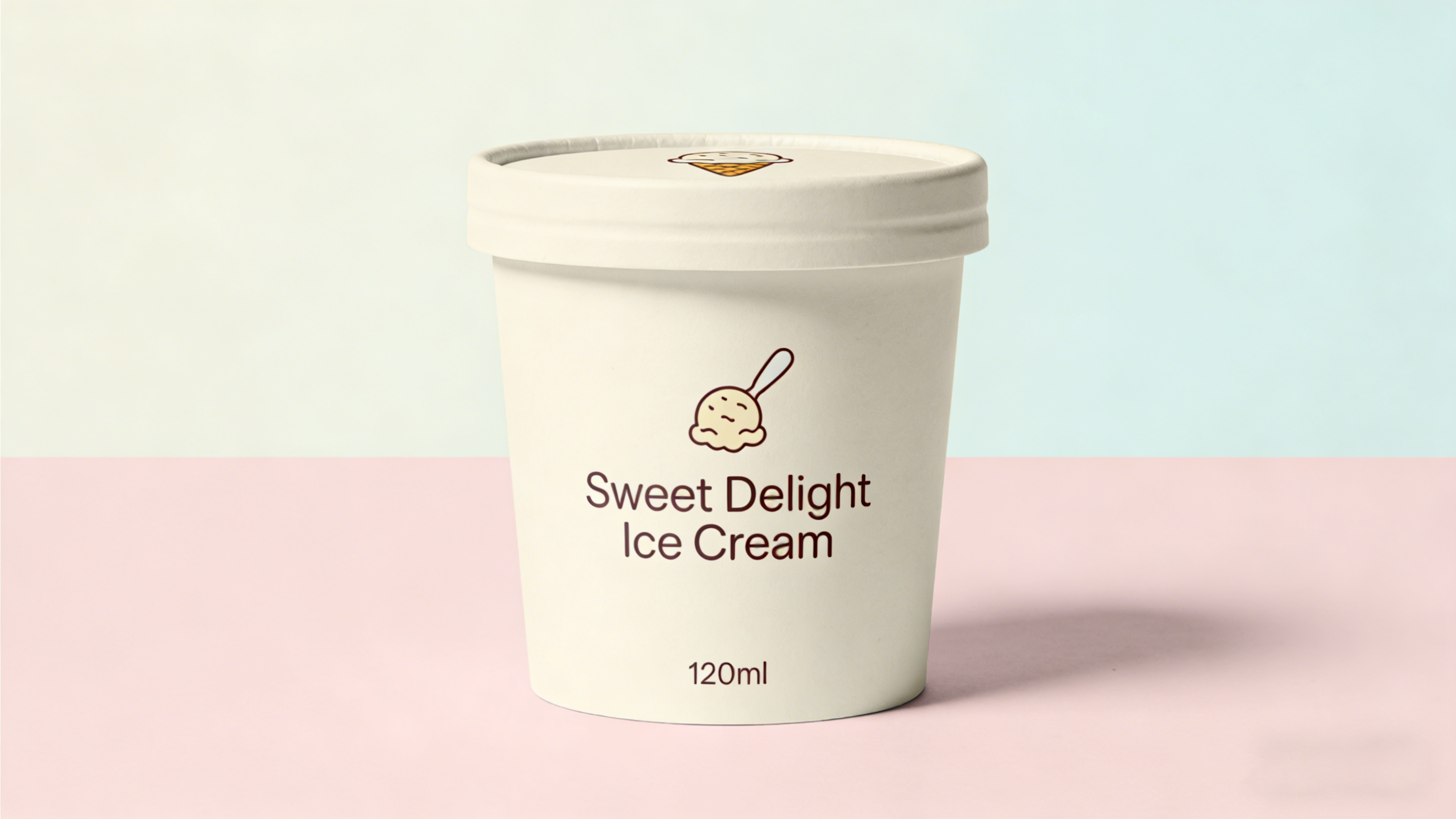
When choosing between traditional plastic tubs and modern paperboard solutions, brands must weigh cost, performance, and sustainability.
Feature | Food Grade Cardboard Tube (PE Lined) | Food Grade Cardboard Tube (PLA/Eco) | Rigid Plastic Tub (Polypropylene) |
|---|---|---|---|
Primary Material | Virgin Paperboard | Virgin Paperboard | Polypropylene Plastic |
Insulation | High (Warm to touch) | High (Warm to touch) | Low (Cold to touch) |
Print Quality | Excellent (360-degree branding) | Excellent | Good (Requires in-mold label) |
Sustainability | Medium (Requires specialized recycling) | High (Industrially compostable) | Low to Medium (Recyclable but fossil-fuel based) |
Cost | Low | Medium-High | Medium |
You may have noticed that even brands that previously used plastic tubs are migrating toward paper. This isn't just an aesthetic choice; it is a strategic response to consumer demand and manufacturing capabilities.
Paper Tube packaging offers versatility that rigid plastic cannot match. Manufacturers like Hallpack can adjust the height and diameter of a paper tube without needing entirely new molds, which is expensive and time-consuming with plastic injection molding.
Furthermore, the tactile experience of paper implies "premium" and "artisanal" to the modern shopper. A high-gloss plastic tub often signals "bulk" or "economy," while a matte-finish paper pint suggests a crafted, high-quality product inside.
Understanding the material is one thing, but how does a flat sheet of paper become a leak-proof tub?
Printing and Die Cutting: The flat sheet of food-grade paper is printed with the brand's design and then cut into fan-shaped "blanks."
Side Sealing: The blank is wrapped around a mandrel (a cylindrical mold) and the side seam is heat-sealed (using the PE or PLA coating as the glue).
Bottom Attachment: A separate circle of coated paper is punched out and inserted into the bottom of the cylinder. The edges of the cylinder are curled under and heat-sealed to the bottom disc.
Rim Rolling: The top edge of the cup is rolled outward to create a smooth lip. This adds structural rigidity to the Paper Tube and provides a secure surface for the lid to snap onto.
1
The question "what are ice cream containers made of" is increasingly followed by "and where do they go when I'm done?"
The industry is moving away from virgin plastics. Leading manufacturers are focusing on FSC-certified paper sources, ensuring that the wood pulp used comes from responsibly managed forests.
When sourcing packaging, it is vital to look for suppliers who offer transparency regarding their materials. For example, Hallpack specializes in eco-friendly paper tube packaging that aligns with global green initiatives. Their focus on biodegradable options and FSC certification ensures that the transition from manufacturing to disposal leaves the smallest possible footprint.
Whether you are a startup creamery or an established brand, the container you choose becomes the face of your product. It must protect the delicate emulsion of ice, fat, and sugar inside while communicating your brand values on the outside.
While plastic has its place, the food grade cardboard tube remains the gold standard for ice cream. It offers the best balance of insulation, printability, and consumer appeal. By understanding the layers—from the virgin board to the barrier coating—you can make an informed decision that keeps your product fresh and your customers happy.
If you are ready to upgrade your packaging with sustainable, high-quality solutions, Hallpack offers a range of customizable options. From standard ice cream pints to unique push-pop tubes, they can help you find the perfect fit for your frozen creations.


 English